Are you looking for simple front yard landscaping ideas that can dramatically boost your home’s curb appeal without requiring a huge budget or a professional crew? Your front yard is the first thing you, your guests, and your neighbors see. It sets the tone for your entire home. A tidy, thoughtfully designed front yard signals a well-cared-for and welcoming home, but the thought of a major landscaping project can be overwhelming for many. The good news is that you don’t need a complex design or a rare plant collection to make a stunning impact.
This guide is dedicated to that philosophy. We will walk you through 15 straightforward, budget-friendly, and beginner-friendly ideas that will help you transform your front yard from forgettable to fantastic, creating a beautiful first impression you can be proud of.
1. Define Your Space: Create a Crisp, Clean Edge
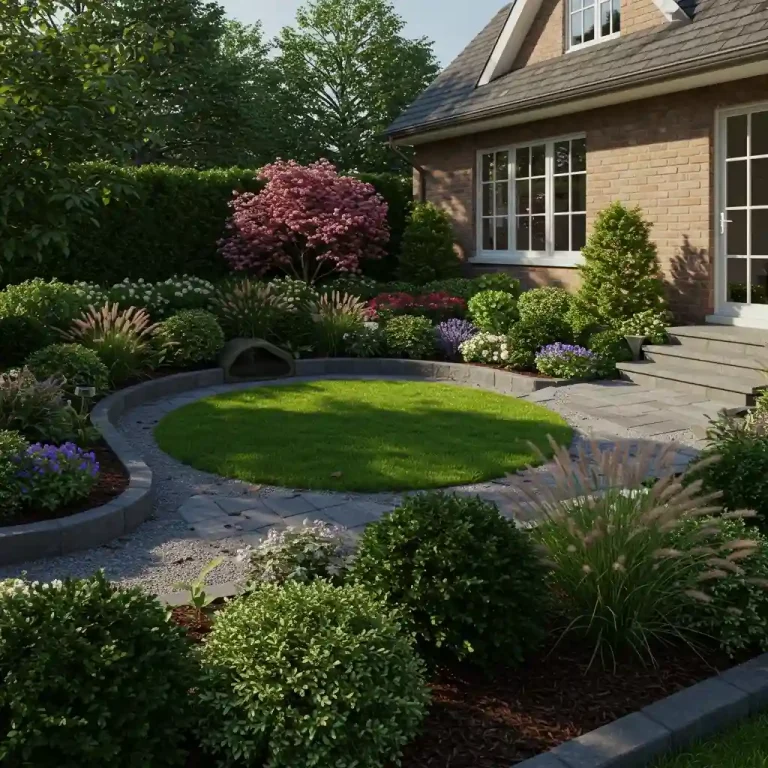
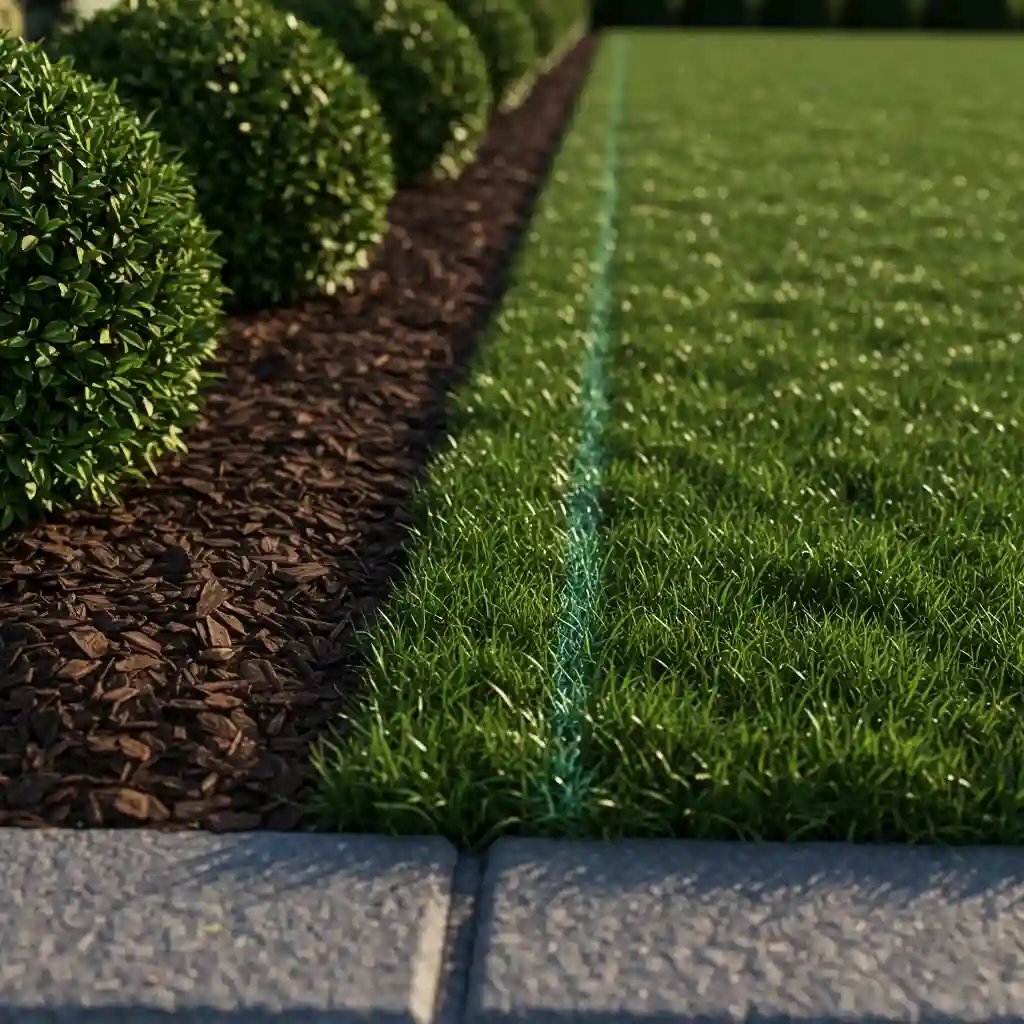
This is the single most impactful, low-cost thing you can do to make your front yard look instantly neater and more professional. Creating a clean, crisp edge between your lawn and your garden beds, walkways, and driveway immediately imposes a sense of order and intention. It’s the difference between a blurry, undefined space and a sharp, well-maintained landscape. This simple line is a powerful design tool that makes everything else look better.
I always tell my clients to start here before anything else. A clean edge is the foundation of good curb appeal. You can create this edge with a few simple tools, and it’s a task that can easily be completed in an afternoon.
- How to Implement: The easiest method is a “spade-cut” edge. Use a flat-edged spade or a half-moon edger to cut a clean, 3-4 inch deep trench along the border of your garden beds.
- Benefits: Instantly makes the yard look tidy and manicured, prevents grass from creeping into your garden beds.
- Design: You can create a classic, straight edge or a more organic, gracefully curving edge.
For a more permanent and even lower-maintenance enhancement, install a simple landscape edging made of metal, plastic, or brick along your newly cut line. This creates a permanent barrier that helps to hold mulch in and keep grass out.
2. Apply a Fresh Layer of Mulch
After you’ve defined your edges, the next high-impact, low-effort step is to apply a fresh layer of mulch to all your garden beds. Mulch is a landscaper’s secret weapon. It instantly gives your front yard a rich, cohesive, and polished look. It creates a uniform, dark backdrop that makes the green foliage and colorful flowers of your plants pop.
Beyond its good looks, mulch is incredibly functional. I recommend it to everyone because it saves so much work in the long run. A thick, 2-3 inch layer of mulch helps to suppress weed growth, retains soil moisture so you have to water less, and improves the health of your soil as it breaks down.
- How to Implement: Spread a 2-3 inch layer of shredded wood or bark mulch over your garden beds, keeping it an inch or two away from the stems of your plants.
- Benefits: Suppresses weeds, reduces watering needs, improves soil health, and provides a beautiful, finished look.
- When: Applying a fresh layer once a year in the spring is usually sufficient.
For an enhancement, use a natural, undyed, double-shredded hardwood mulch. It has a beautiful, dark brown color that looks professional and classic, and it breaks down over time to enrich your soil.

3. Use Large Planters to Flank the Entryway
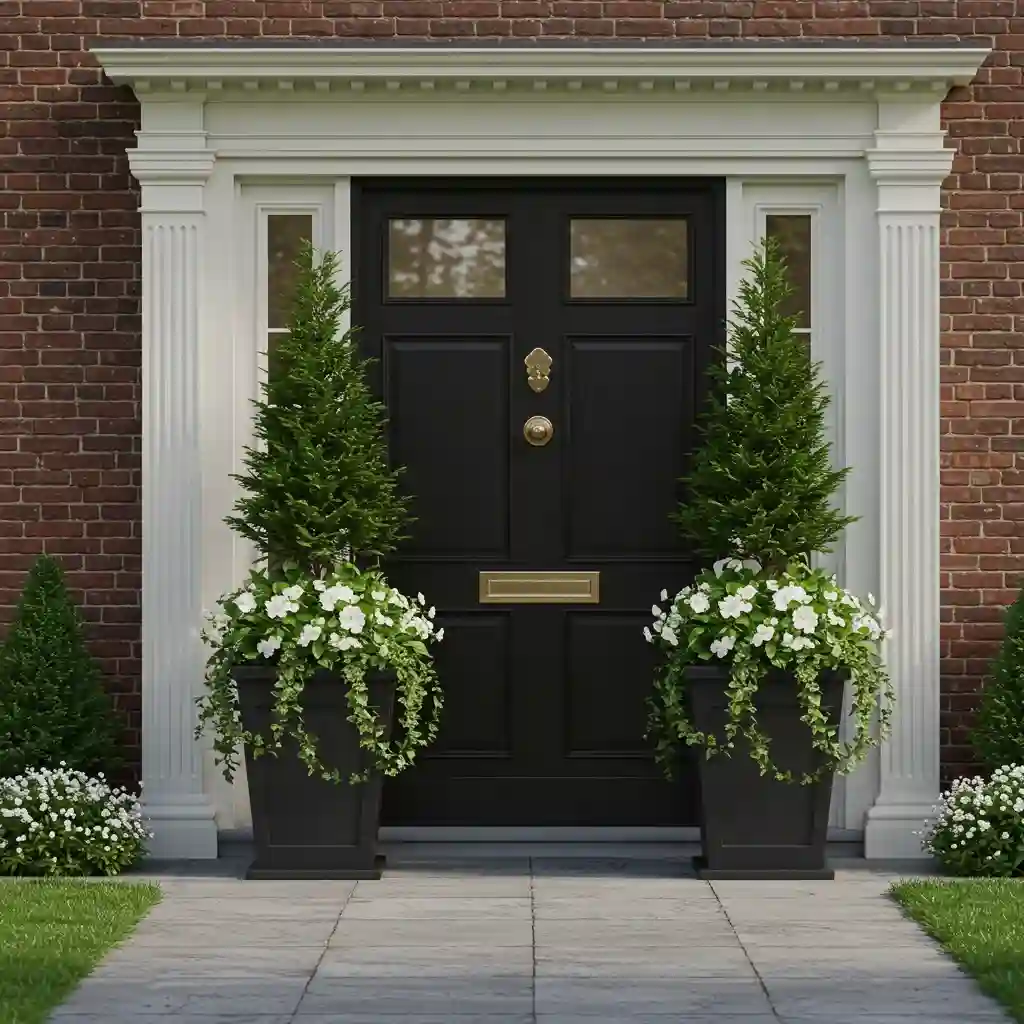
A pair of large, beautiful planters on either side of your front door is a classic and incredibly effective way to create a welcoming and high-end look. Symmetrical planters create a sense of balance and formality, drawing the eye directly to your front door and making the entrance feel more grand and important. This is a very simple way to add a major dose of style and color right where it counts the most.
I always tell my clients to buy the largest planters their space and budget will allow. Two large, substantial planters have much more impact than a clutter of many small, insignificant pots. The scale of the planters should be in proportion to the scale of your entryway.
- Create Symmetry: Use two identical planters for a classic, balanced look.
- Go Big: Larger planters have more visual impact and don’t dry out as quickly as small ones.
- Planting: Use the “Thriller, Filler, Spiller” method (a tall plant in the center, mounding plants around it, and trailing plants spilling over the edge) for a full, professional-looking arrangement.
For a super low-maintenance enhancement, instead of planting a mix of annuals that need to be replanted every year, plant a single, hardy, dwarf evergreen shrub (like a boxwood or a dwarf Alberta spruce) in each planter. They will provide beautiful, green structure all year round with very little care.
4. Plant a Single, Statement Ornamental Tree
Every front yard, no matter how small, benefits from a tree. A well-chosen ornamental tree can serve as a beautiful, natural, sculptural focal point. Instead of planting a massive shade tree that could overwhelm your house, select a smaller, ornamental variety that is prized for its beautiful flowers, interesting shape, or stunning fall color.
A single, beautiful tree planted in the right spot can anchor your entire landscape design. I love to use trees with a graceful, multi-stemmed structure, like a paperbark maple or a river birch, as they have a more sculptural quality. Before you buy, always check the tree’s mature size to ensure it will be a good fit for your yard for years to come.
- Choose for Four-Season Interest: Look for a tree that has spring flowers, nice summer foliage, good fall color, and an interesting branch structure or bark for winter.
- Great Small-Scale Choices: Japanese Maple, Dogwood, Redbud, Serviceberry, or a Crabapple tree.
- Placement: Plant it off-center in your front yard, not directly in the middle, for a more naturalistic and balanced composition.
For a simple enhancement, create a circular bed of mulch around the base of your new tree. This will help to protect its trunk from lawnmower damage and will make it look like a deliberate, well-cared-for feature.

5. Install a Simple, Clear Walkway
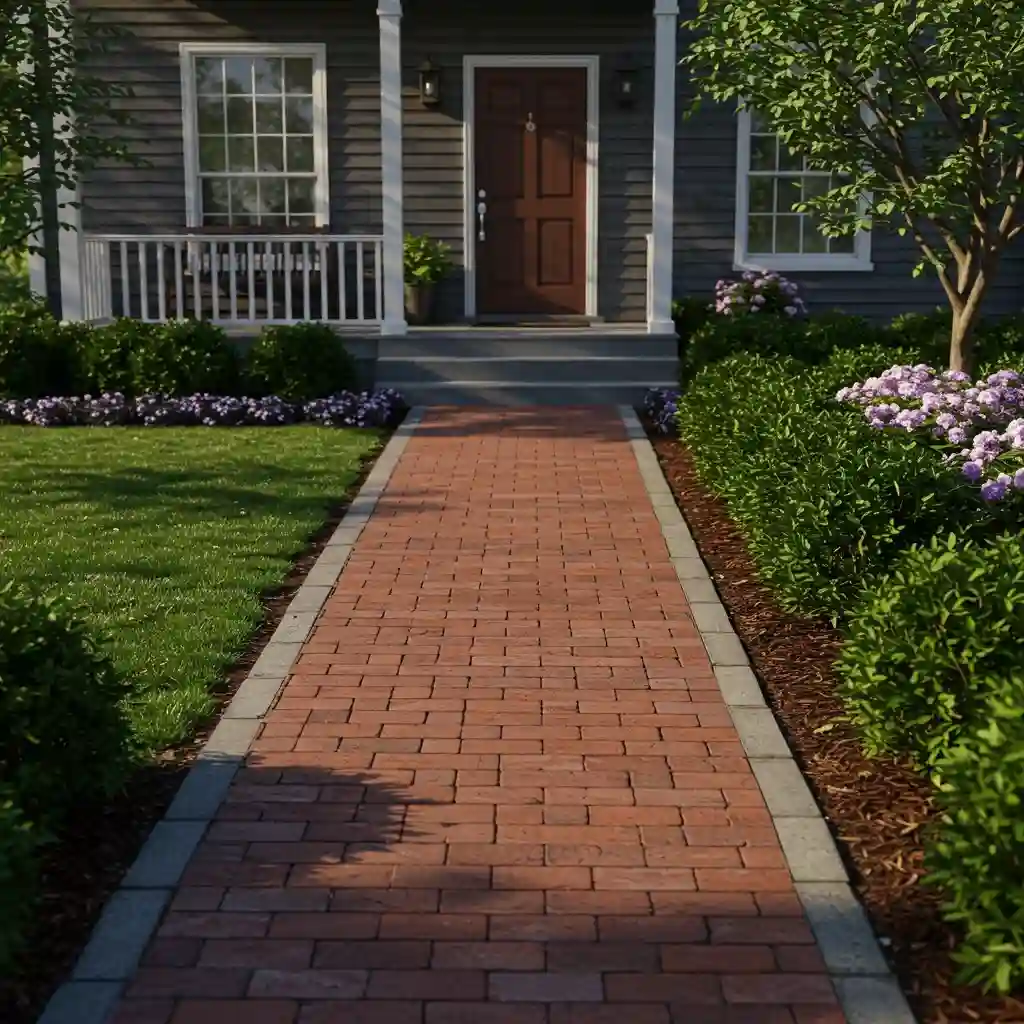
The path to your front door should be clear, wide, and welcoming. A crumbling, narrow, or non-existent walkway can significantly detract from your home’s curb appeal. Installing a simple, clean, and durable walkway is a foundational project that adds both function and style to your front yard.
A classic, straight path made of simple concrete pavers or traditional bricks is a timeless, easy-to-install, and budget-friendly option. For a more informal, cottage-style look, a gently curving path made of irregular flagstones can be very charming. I always advise making the path generously wide—at least 4 feet—so two people can comfortably walk side-by-side.
- Materials: Concrete pavers, brick, or flagstone are all simple and durable choices.
- Width: A 4-foot width is ideal for a main entrance path.
- Keep it Clean: A simple, straight or gently curving path is easier to maintain than a complex, zigzagging one.
For an easy and polished enhancement, line both sides of your new walkway with a simple, low-growing, and hardy border plant, like dwarf mondo grass, liriope, or a neat row of lavender.
6. Use Hardy, Evergreen Shrubs for Structure
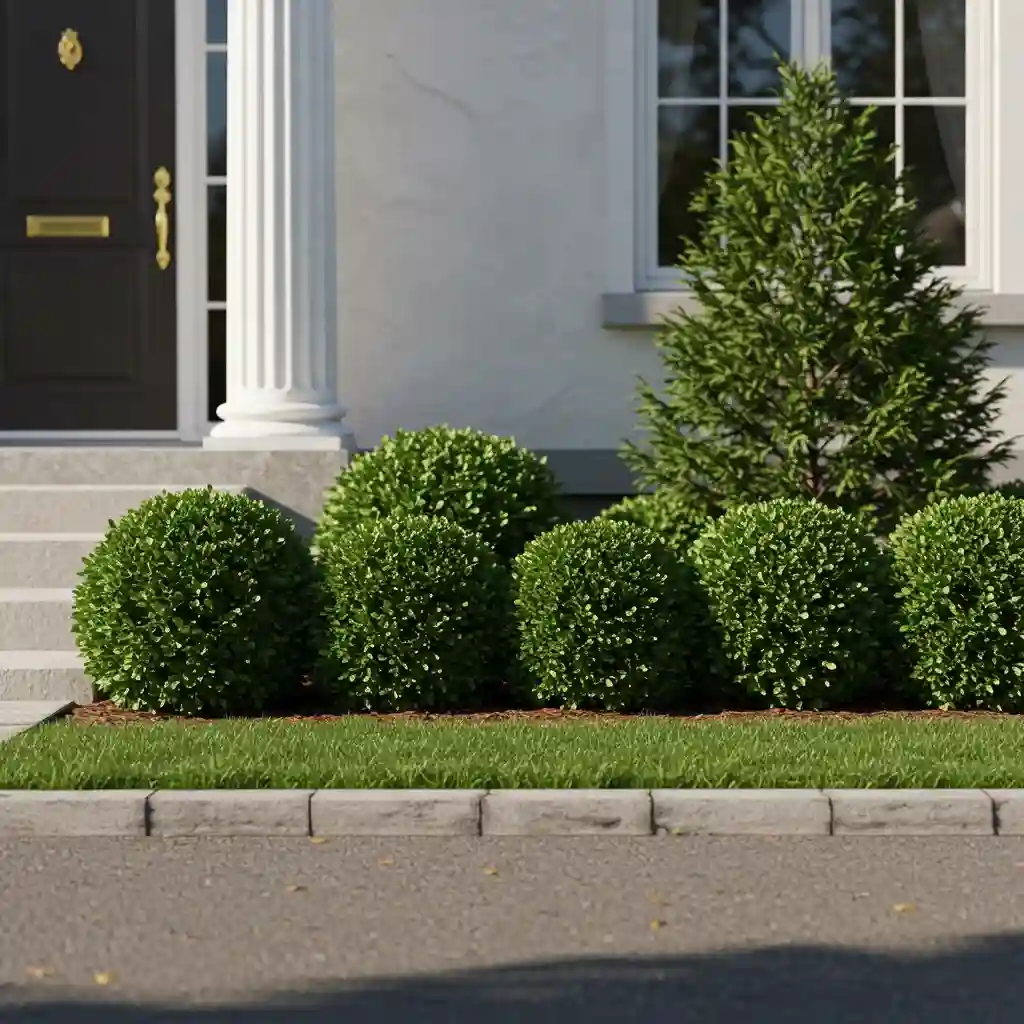
The secret to a front yard that looks good all year long, even in the middle of winter, is to use a solid foundation of evergreen shrubs. These plants provide constant color, form, and structure, and are the true workhorses of a low-maintenance landscape. By using a simple, repeating pattern of a few types of hardy evergreens, you can create a landscape that looks full and green with very little effort.
I always start a foundation planting design with evergreens. A simple, classic combination is to use a row of round, mounding shrubs (like boxwoods) in the front, with a few taller, conical shrubs (like arborvitae or juniper) at the corners of the house to add height. This simple formula provides a timeless, structured look.
- Year-Round Interest: They look good in all four seasons.
- Low-Maintenance: Once established, most evergreen shrubs are very drought-tolerant and require minimal pruning.
- Great Choices: Boxwood, Holly, Juniper, Arborvitae, Dwarf Globe Spruce, and Yew.
For an even lower-maintenance enhancement, choose dwarf varieties of your favorite evergreen shrubs. This will ensure they don’t outgrow their space and will save you from the chore of regular pruning.
7. Add a Pop of Color with Easy Annuals
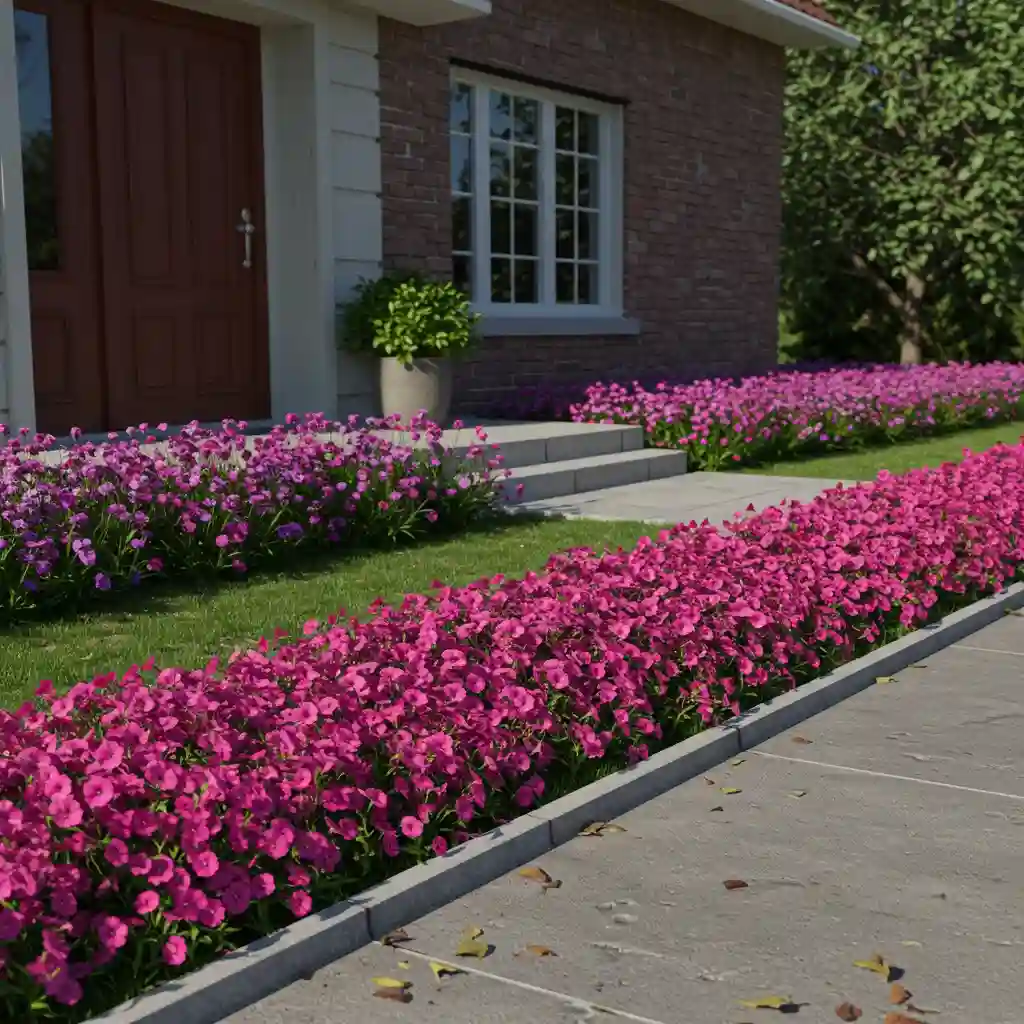
While shrubs and perennials are the long-term foundation of your garden, annuals are the fun, easy, and inexpensive way to add a big splash of vibrant, season-long color. Annuals are plants that bloom for one season, so you can change up your color scheme every year. They are perfect for filling in gaps in your garden beds, and they are the number one choice for container pots and window boxes.
For a simple, high-impact look, choose just one or two colors of a hardworking, reliable annual and plant them in large, bold groups. I always tell beginners to start with easy-to-grow annuals from the garden center, rather than trying to grow them from seed.
- Great Beginner Annuals: Petunias, Marigolds, Zinnias, Impatiens (for shade), and Geraniums.
- High Impact: Planting a large mass of a single color of flower (like a big drift of red petunias) has more impact than a mix of many different colors.
- Use in Containers: They are the perfect choice for your entryway planters and window boxes.
For an enhancement, remember to “deadhead” your annuals, which simply means pinching off the spent, old flowers. This will encourage the plant to produce even more new blooms all season long.
8. Create a Charming Window Box
A window box is a classic and incredibly charming way to add a concentrated dose of color, texture, and personality to the front of your house. A beautiful, overflowing window box can make a house look instantly more welcoming and friendly. It’s a simple project that adds a huge amount of curb appeal, drawing the eye to the windows and softening the hard lines of the house’s facade.
This is a fantastic project for a beginner. You can buy pre-made window boxes or build a simple one yourself. The key is to secure it safely to the house, right below the window, and to ensure it has good drainage holes. I love using the “Thriller, Filler, Spiller” method for planting a window box to get that classic, full, and overflowing look.
- Installation: Make sure the box is securely attached with sturdy brackets.
- Planting: Use a good quality potting mix and a mix of upright “thriller,” mounding “filler,” and trailing “spiller” plants.
- Watering: Window boxes can dry out quickly, so be sure to check them daily in hot weather.
For an enhancement, change your window box plantings seasonally. You can have spring bulbs, summer annuals, fall mums and ornamental cabbage, and even evergreen boughs and red berries for the winter. This will keep your home looking fresh and festive all year long.

9. Paint Your Front Door a Welcoming Color
Your front door is the main focal point of your home’s exterior. Giving it a fresh coat of a beautiful, welcoming color is one of the easiest, cheapest, and highest-impact DIY projects you can do to improve your curb appeal. A beautifully painted front door makes your home stand out and expresses your personal style.
Choosing the right color is a fun process. A classic, glossy black door is timeless and sophisticated. A cheerful, sunny yellow door feels happy and welcoming. A deep, historic blue or a rich, dark green can feel elegant and traditional. I always tell my clients to not be afraid of a bold choice; it’s only a small amount of paint, and it can always be changed.
- Prep is Key: Make sure to clean and sand your door properly before painting for a smooth, long-lasting finish.
- Choose the Right Paint: Use a high-quality, exterior-grade paint in a semi-gloss or satin finish for durability.
- Don’t Forget the Hardware: A new, stylish doorknob and house numbers can complete the transformation.
For an enhancement, coordinate the color of your front door with the colors of the flowers you plant in your entryway planters. For example, a beautiful, deep blue door looks stunning with planters filled with a mix of blue and white flowers.

10. Hide Eyesores with a Simple Lattice Screen
Every front yard seems to have a few unsightly but necessary elements, like air conditioning units, trash cans, or utility meters. A very simple and inexpensive way to hide these eyesores and improve your curb appeal is to use a simple, freestanding lattice screen. A couple of panels of wooden or vinyl lattice can be used to create a simple, L-shaped screen that can be placed in front of the object you want to hide.
This is a classic trick used by landscapers everywhere. The lattice provides an effective visual barrier, but its open design allows for necessary airflow around things like A/C units. I love how this simple structure can instantly tidy up the side of a house.
- Simple Construction: You can buy pre-made lattice panels and simply attach them to a couple of wooden posts set in the ground.
- Allows for Airflow: The open design is perfect for screening mechanical units.
- Can be Painted: Paint the lattice to match your house’s trim color to help it blend in seamlessly.
For a beautiful enhancement, use the lattice screen as a trellis and plant a beautiful, flowering climbing vine at its base. The vine will grow up and through the lattice, turning a simple, functional screen into a stunning, living wall of green.

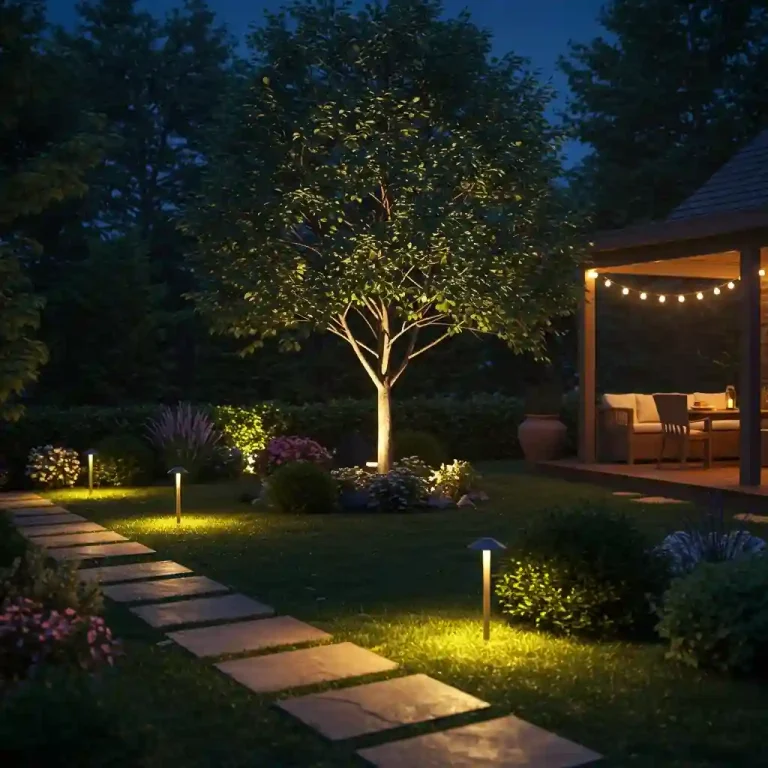
11. Use Solar-Powered Landscape Lighting
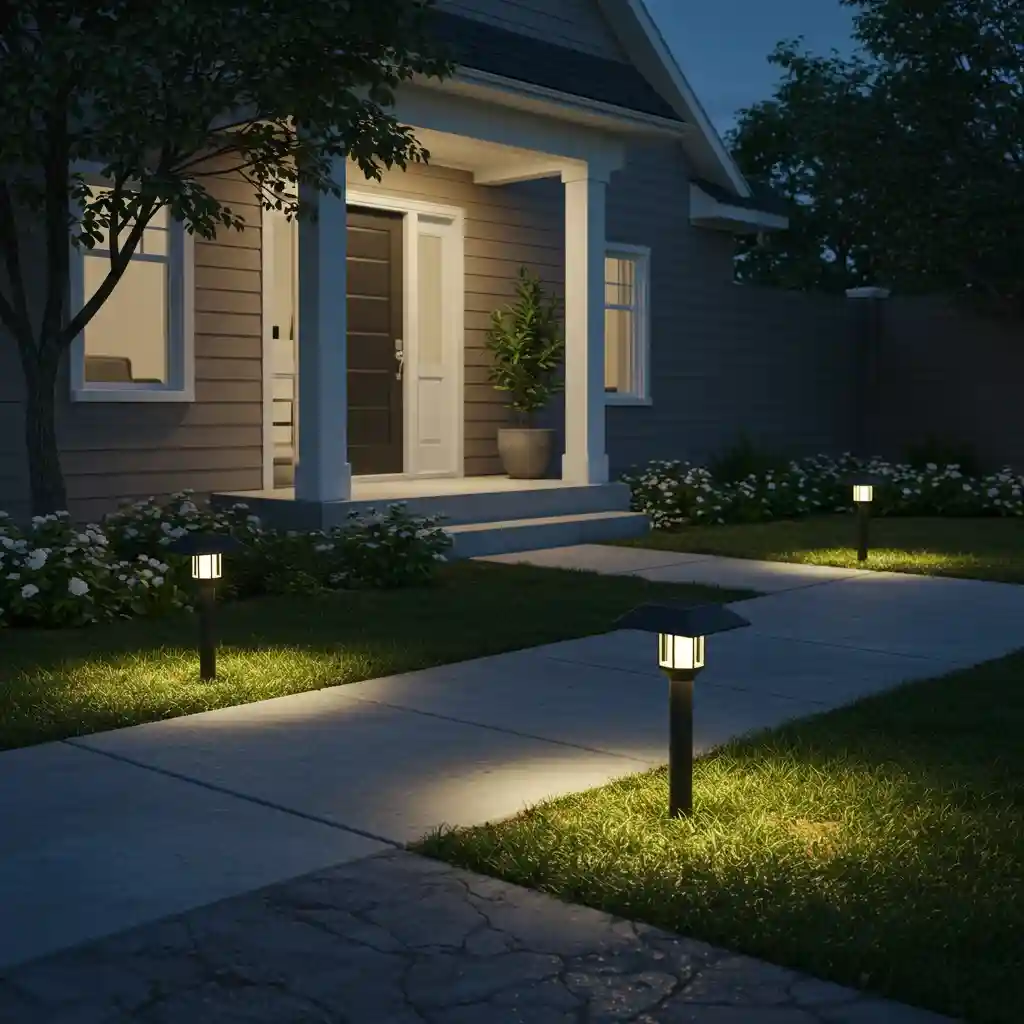
Good landscape lighting can make your home look beautiful and welcoming in the evening, and it’s also an important safety feature. But hiring an electrician to install wired lighting can be very expensive. A brilliantly simple and budget-friendly solution is to use solar-powered landscape lights. The quality and style of solar lights have improved dramatically in recent years, and they are an incredibly easy, no-skill-required way to add a touch of professional-looking illumination to your front yard.
I suggest starting with a simple kit of solar-powered path lights. Simply stake them into the ground along your front walkway to create a safe and welcoming path to your door.
- Easy and Affordable: No wiring, no electrician, and no electricity cost.
- Safety: Illuminates walkways to prevent trips and falls at night.
- Ambiance: A soft, gentle glow can make your home look incredibly inviting in the evening.
For an enhancement, in addition to your path lights, use one or two solar-powered spotlights. You can aim them up at a beautiful tree or use them to highlight the facade of your house, which will add a layer of dramatic, high-end-looking light.
12. Upgrade Your House Numbers
Your house numbers are a small but important detail that can have a surprisingly big impact on your home’s curb appeal. Dated, faded, or undersized house numbers can make your whole house look neglected. A very simple and inexpensive upgrade is to replace them with a new set that is stylish, modern, and easy to read from the street.
This is a quick, 15-minute project that I recommend to everyone. Look for numbers that are large, with a clean, modern, sans-serif font. The finish should complement the other metal finishes on your home’s exterior, like your light fixtures or your doorknob.
- Readability is Key: Make sure the numbers are large enough and in a high-contrast color to your house so they can be easily seen from the street.
- Modern Style: Look for a clean, simple, and stylish font.
- Easy DIY: Most new house numbers can be easily installed with just a drill and a screwdriver.
For a high-end enhancement, choose “floating” house numbers. These are mounted on small pegs that hold them about a half-inch off the wall. This creates a beautiful, subtle shadow behind the numbers that makes them look very custom and architectural.

13. Create a Simple Border Along Your Driveway
The edge where your lawn meets your driveway can often look a bit messy and undefined. A very simple landscaping project that can make your entire front yard look neater and more polished is to create a simple, defined border along the edge of your driveway. This creates a clean, intentional line that elevates the look of your entire property.
The easiest way to do this is to simply remove a 6-12 inch wide strip of grass along the edge of the driveway. Then, you can fill this narrow bed with a simple, low-maintenance material. I often suggest either a simple layer of decorative gravel or a mass planting of a single, very tough, and low-growing perennial.
- Simple Edging: Just removing a strip of sod creates a clean “mowing strip.”
- Gravel Border: A narrow strip of decorative gravel is a very clean and zero-maintenance option.
- Plant Border: A row of a tough, low-growing perennial, like Liriope or Daylilies, can add a soft, green border.
For an enhancement, install a border of simple, flat-set bricks or pavers between your driveway and your lawn. This creates a very classic, durable, and permanent edge that also serves as a convenient mowing strip.
Image Gen 13

14. Add a Bench for a Welcoming Touch
A simple bench placed in the front yard or on the porch is a powerful and charming symbol of welcome. It signals that your home is a friendly, restful place where one is invited to sit and stay a while. It’s a very simple addition that can add a huge amount of character and a sense of community to your front yard.
You don’t need a large, ornate bench. A simple, classic, wooden park-style bench or a rustic bench made from a simple slab of wood can be perfect. I love to place a bench under the shade of a large tree in the front yard. It creates a perfect, quiet spot to sit and read a book or watch the neighborhood go by.
- Symbol of Welcome: A bench is an inherently inviting gesture.
- Placement: On the front porch, under a tree, or nestled into a garden bed.
- Style: Choose a simple, classic style that complements your home’s architecture.
For a charming enhancement, plant a few, fragrant, flowering shrubs, like roses or lilacs, near your bench. The beautiful scent will make sitting there an even more pleasant and multi-sensory experience.

15. Plant a Simple, Symmetrical Arrangement
Symmetry is a classic design principle that is very pleasing to the eye and creates a sense of order, calm, and formality. A very simple way to create a high-impact, professional-looking front yard is to use a symmetrical planting arrangement. This typically means planting the exact same things on the left side of your front door as you do on the right side, creating a perfect mirror image.
This is a foolproof formula that always looks good. I often recommend this to my beginner clients because it takes the guesswork out of the design. A classic symmetrical arrangement would be a pair of identical, tall, conical evergreen shrubs at the corners of the house, with a matching row of round, green boxwoods on either side of the front steps.
- Creates Balance and Order: A symmetrical design is inherently calming and formal.
- Easy Formula: Simply mirror the plantings on both sides of your entryway.
- Timeless Appeal: A classic design strategy that never goes out of style.
For a simple enhancement, use a symmetrical pair of your favorite flowering perennial to add a pop of color to your arrangement. For example, a large, healthy clump of a beautiful, purple coneflower planted on either side of your walkway can provide beautiful, symmetrical color all summer long.

Conclusion
Creating a beautiful front yard doesn’t have to be complicated, expensive, or time-consuming. As we’ve explored through these 15 simple front yard landscaping ideas, a few, well-chosen, foundational projects can make a world of difference to your home’s curb appeal.
The key to success is to start with the basics: create clean edges, apply a fresh layer of mulch, and choose a handful of hardy, beautiful plants. By focusing on these simple, high-impact tasks, you can create a welcoming, stylish, and polished first impression that you can be proud of.
Frequently Asked Questions (FAQs)
I’m a total beginner. Where do I even start with my front yard?
The best and most impactful place to start is with a thorough cleanup, followed by creating a crisp, clean edge for all your garden beds and walkways (Idea #1), and then applying a fresh layer of mulch (Idea #2). These three simple steps will instantly make your yard look 100% better.
How can I landscape my front yard for cheap?
Focus on low-cost, high-impact projects. Mulching is inexpensive. Edging is free if you do a spade-cut edge. Choose perennials instead of annuals, as they come back every year. Look for plant sales at local nurseries at the end of the season. A can of paint for your front door is also a very cheap, high-impact update.
What are the easiest plants for a beginner to put in their front yard?
Look for hardy, drought-tolerant, evergreen shrubs like boxwoods and junipers for year-round structure. For color, choose tough, reliable perennials like daylilies, coneflowers, black-eyed susans, and sedum ‘Autumn Joy’.
How can I make my front yard look nice with no money?
Focus on “sweat equity.” A thorough cleanup (weeding, raking, tidying) is completely free and makes a huge difference. Creating a sharp, spade-cut edge for your garden beds costs nothing but your time. Ask friends and neighbors who are gardeners if you can have “divisions” or cuttings from their overgrown perennial plants.
What is a “mowing strip”?
A mowing strip is a flat, hard border often made of a single row of bricks or flat pavers that is set flush with the ground between your lawn and your garden bed. It provides a surface for your lawnmower’s wheels to run on, which allows you to mow right up to the edge and eliminates the need for string trimming.
How do I choose a tree that won’t get too big for my small front yard?
The most important step is to read the plant tag! The tag will tell you the tree’s “mature height and spread.” Look for “dwarf” or “compact” varieties of your favorite trees. Ornamental trees, like dogwoods, redbuds, and Japanese maples, are generally smaller and better suited for a front yard than large shade trees like oaks or maples.
Do I need a landscape plan?
For a simple front yard, you don’t need a formal, drafted plan, but it is always a good idea to have a simple sketch or a basic idea of what you want to do before you start digging. It will help you to think about the placement and spacing of your plants and features.