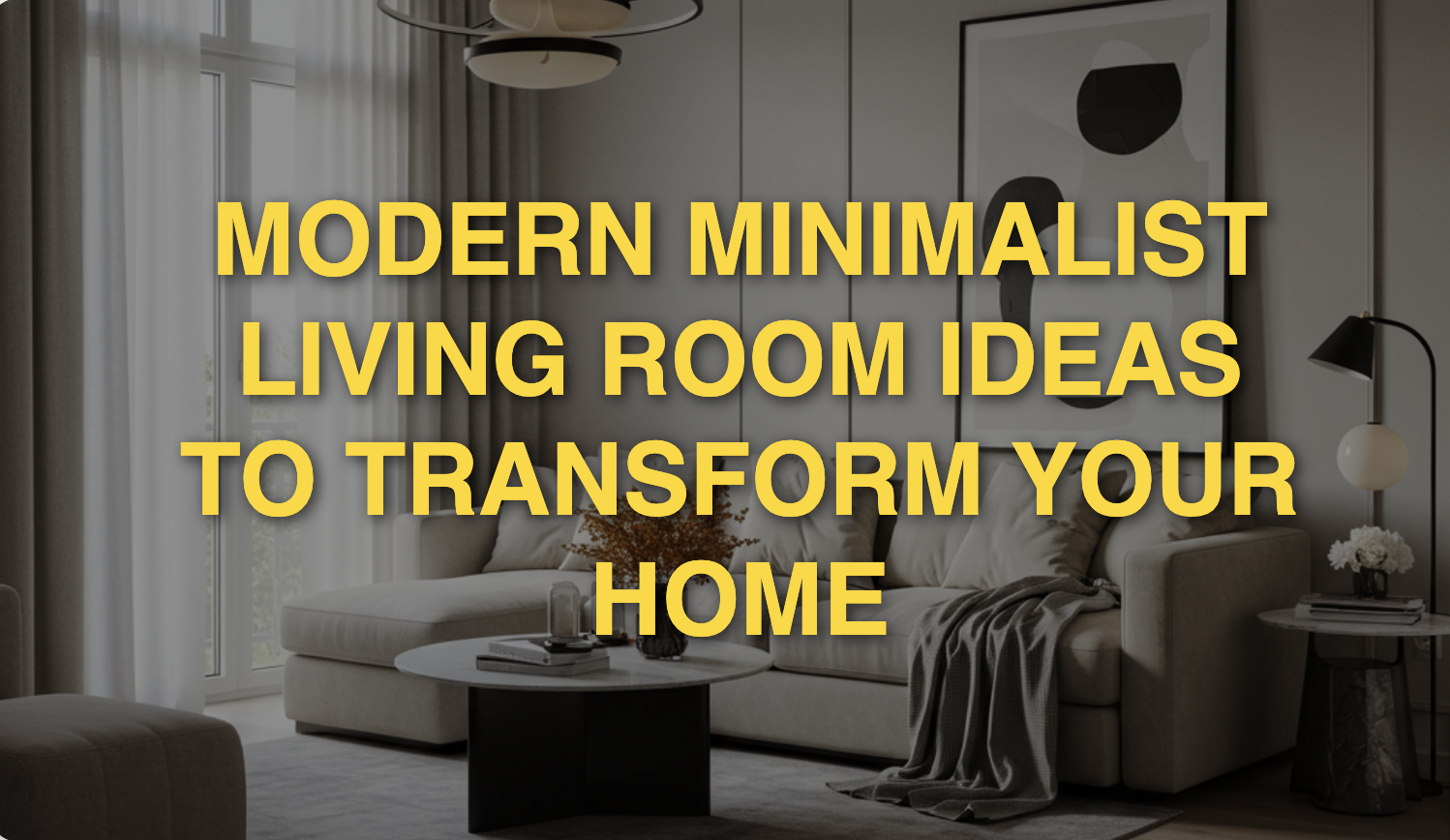
In a world of constant connection and relentless pace, the American home has become more than just a place to live it’s a sanctuary. The desire for a calm, uncluttered, and intentional space has propelled modern minimalist design from a niche trend to a mainstream aspiration.
The heart of this transformation is the minimalist living room, a space designed not just for its looks, but for the sense of peace it instills. It’s about creating a serene living space by embracing simplicity, functionality, and clean lines.

If you’re ready to declutter your home and your mind, here are 15 detailed ideas to help you craft the perfect minimalist living room, tailored for a modern American lifestyle.
1. The Versatile Neutral Foundation
A truly successful minimalist living room begins with its canvas. Move beyond stark whites and embrace the sophisticated, warm neutrals popular in contemporary US homes. Think of shades like Benjamin Moore’s “Chantilly Lace” for a crisp but soft white, or Sherwin-Williams’ “Agreeable Gray” for a versatile “greige” that adapts to any light.
This neutral color palette creates a calming backdrop that enhances natural light and allows carefully chosen furniture and decor to shine. It establishes a clean, cohesive look that feels both expansive and intimate, forming the perfect foundation for your serene living space.

2. Functional, Sculptural Furniture
Minimalism doesn’t mean uncomfortable. The key is to invest in functional furniture that doubles as art. Look for pieces with strong, clean lines and a clear purpose, drawing inspiration from mid-century modern or Scandinavian design principles.
Think of a sofa with sleek wooden legs that lift it off the floor, creating a sense of openness, or a distinctive armchair from a brand like Article or West Elm. Each piece should be chosen for its quality, comfort, and sculptural form, ensuring your minimalist living room is as practical as it is beautiful.

3. Smart, Integrated Storage
Clutter is the enemy of serenity. Effective home organization is crucial, and the best solution is storage that disappears. Opt for a low-profile media console with handleless, push-to-open doors that conceal electronics, cables, and remote controls.
Consider built-in shelving painted the same color as the walls or a stylish storage ottoman. This approach allows you to declutter your home effectively, keeping everyday necessities out of sight while maintaining the room’s clean, modern minimalist design.

4. Layered Monochromatic Textures
A neutral, monochromatic room avoids being boring by embracing a wealth of textures. This is where a simple living room gains depth and character. Layer different materials within the same color family.
Imagine a soft gray linen sofa adorned with chunky knit wool pillows, a plush high-pile wool rug underfoot, and sheer linen curtains that diffuse light beautifully. These tactile variations invite touch and create a rich sensory experience, making the space feel cozy, sophisticated, and deeply personal.

5. Architectural & Statement Lighting
Treat lighting as a key architectural element. Go beyond a simple overhead light and layer your illumination. Use recessed ceiling lights for ambient glow, a dramatic, sculptural floor lamp in a corner to serve as a functional art piece, and perhaps a single, elegant pendant light over a coffee table.
Brands like Rejuvenation or Schoolhouse Electric offer fixtures that blend form and function. This layered approach not only provides versatile, dimmable lighting for any mood but also enhances the modern minimalist design of the space.

6. Organic Modernism: Bringing Nature In
A popular interior design idea in the US, organic modernism seamlessly blends minimalist principles with the warmth of nature. Use natural materials generously. Think of a solid oak coffee table, a jute or sisal rug, stone coasters, and plenty of plants.
The natural grain of the wood and the imperfections of stone add character and warmth, preventing the room from feeling sterile and creating a bridge between your indoor sanctuary and the outdoors.

7. Intentional & Purposeful Decor
In a minimalist space, every object counts. Instead of generic, mass-produced decor, choose a few items with personal meaning. This is your opportunity to tell a story.
Display a single, beautiful ceramic vase from a local artisan, a small stack of your favorite art books on the coffee table, or a single, framed photograph from a meaningful trip.
This practice of intentionality ensures your minimalist decor reflects your personality and makes your house feel like a home.

8. Mastering the Open Concept
Many American homes feature an open concept living area. Use minimalist principles to create definition without walls. Anchor the living room area with a large, low-pile rug.
Arrange your furniture in a conversational grouping on the rug, creating a distinct “zone.” This strategic placement maintains the airy, open feel while providing a clear functional purpose for the space, ensuring the living area feels cohesive and self-contained.

9. Subtle Pattern & Geometric Form
Minimalism doesn’t forbid patterns; it just asks for them to be used with intention. Introduce subtle geometric patterns through a rug, a throw pillow, or even the weave of a chair.
Look for designs with clean lines and a limited color palette that complements your neutral scheme. This adds a layer of visual interest and sophistication without disrupting the room’s overall sense of calm and order.

See Also : Home Decor Craft Ideas
10. The Power of a Single Art Piece
Instead of a busy gallery wall, which can create visual noise, opt for one large, compelling piece of abstract art. A single, oversized canvas creates a powerful focal point and makes a confident design statement.
Choose a piece with colors that complement your room’s palette or introduce a single, bold accent color. This approach embodies the “less is more” philosophy and elevates the entire room.

11. The Floating Credenza for Airiness
An excellent small space solution, a wall-mounted or “floating” credenza provides essential storage while enhancing the sense of spaciousness.
By lifting storage off the floor, you create an unbroken sightline of the flooring, making the room feel larger and airier. It offers a sleek, modern surface for a few curated decor items, a small lamp, or a vinyl record player, combining utility with high design.

12. Creating a Tech-Free Ambiance
In our hyper-connected world, a truly serene living space allows you to disconnect. Design your minimalist living room to minimize the intrusion of technology.
Use a media unit that hides the TV behind doors, invest in smart furniture with integrated charging to eliminate cable mess, and designate a beautiful basket for stashing phones and tablets. This intentional design choice helps foster conversation and relaxation.

13. Maximizing Light with Simple Window Treatments
Harnessing natural light is fundamental to minimalist design. Ditch heavy, ornate drapes for simple, functional window treatments that maximize light.
Sheer linen curtains hung on a simple, thin black metal rod offer privacy while letting diffuse light pour in. Alternatively, consider high-quality cellular or roller shades that practically disappear when fully raised, leaving you with an unobstructed view.

14. Biophilic Design: A Living Connection
Go beyond just having a plant in the corner and embrace biophilic design the concept of connecting your home with the natural world. This could be a single, tall Fiddle Leaf Fig to create a vertical element, a cluster of snake plants and ZZ plants (which are famously low-maintenance) in simple ceramic pots, or even a sleek indoor planter wall. These living elements purify the air and add a vital, organic energy to your space.

15. The Expansive Power of a Mirror
A well-placed mirror is a classic minimalist tool for good reason. It’s a functional piece that doubles as decor. A large, full-length mirror with a simple, thin frame leaned against a wall can dramatically enhance a room.
It creates an illusion of depth, making any space feel larger, and it captures and reflects natural light, brightening up darker corners and adding a dynamic quality to your final minimalist living room design.


