Are you dreaming of creating a romantic, whimsical outdoor space and looking for charming cottage garden ideas? The cottage garden is more than just a style; it’s a feeling. It’s a rejection of rigid formality in favor of a joyful, slightly untamed abundance. It evokes a sense of nostalgia, tranquility, and simple, natural beauty.
Characterized by dense plantings, a harmonious jumble of flowers, herbs, and vegetables, and the use of traditional, time-worn materials, a cottage garden is the ultimate cozy retreat a place to escape the pressures of the modern world and immerse yourself in a living, breathing tapestry of color and fragrance.
This guide will walk you through 13 essential ideas to help you capture that enchanting, storybook quality and create your very own cozy garden retreat.
1. Embrace Abundant, Densely Packed Flower Beds
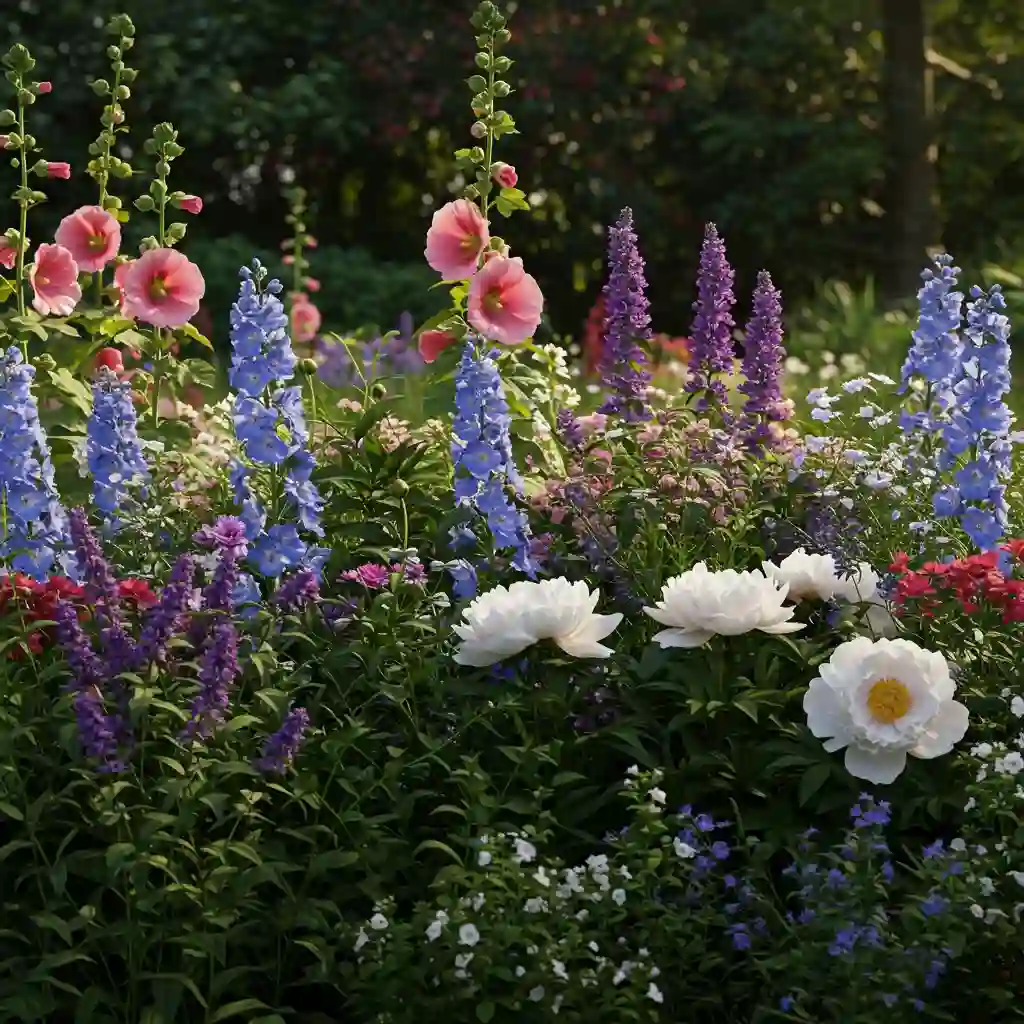
The absolute heart and soul of the cottage garden is a sense of joyful, overflowing abundance. This is not a style for sparse, minimalist planting. The classic cottage garden look is achieved by planting in deep, layered beds that are densely packed with a wide variety of plants.
The goal is to have flowers and foliage spilling over pathways, weaving into each other, and creating a rich, multi-layered tapestry of color and texture. This “more is more” approach is what creates the charming, immersive, and slightly wild feeling that defines the aesthetic.
I always advise my clients to forget about leaving neat little gaps of mulch between each plant. In a cottage garden, you want the plants to grow together, to touch and mingle. This dense planting has a practical benefit as well: it shades the soil, which helps to retain moisture and naturally suppresses weed growth, ultimately reducing maintenance.
- Plant in Layers: Place taller plants like hollyhocks and delphiniums at the back, medium-sized plants like peonies and roses in the middle, and low-growing, mounding plants like lavender and catmint at the front.
- Weave Plants Together: Allow taller plants to grow up through their shorter neighbors for a natural, integrated look.
- No Bare Soil: The goal is to cover every inch of your garden bed with beautiful, living plants.
For an enhancement, plant a few “see-through” plants, like Verbena bonariensis or Gaura, in the middle of your border. Their tall, airy stems and delicate flowers add a layer of height and movement without blocking the view of the plants behind them.
2. Incorporate Classic Cottage Garden Plants
While any beautiful plant can have a place in a cottage garden, there are certain classic, old-fashioned flowers that are essential for achieving an authentic look and feel.
These are the romantic, often fragrant, heirloom plants that you might have found in your grandmother’s garden. They are the tried-and-true stars that provide the structure, height, and nostalgic charm that is central to the style.
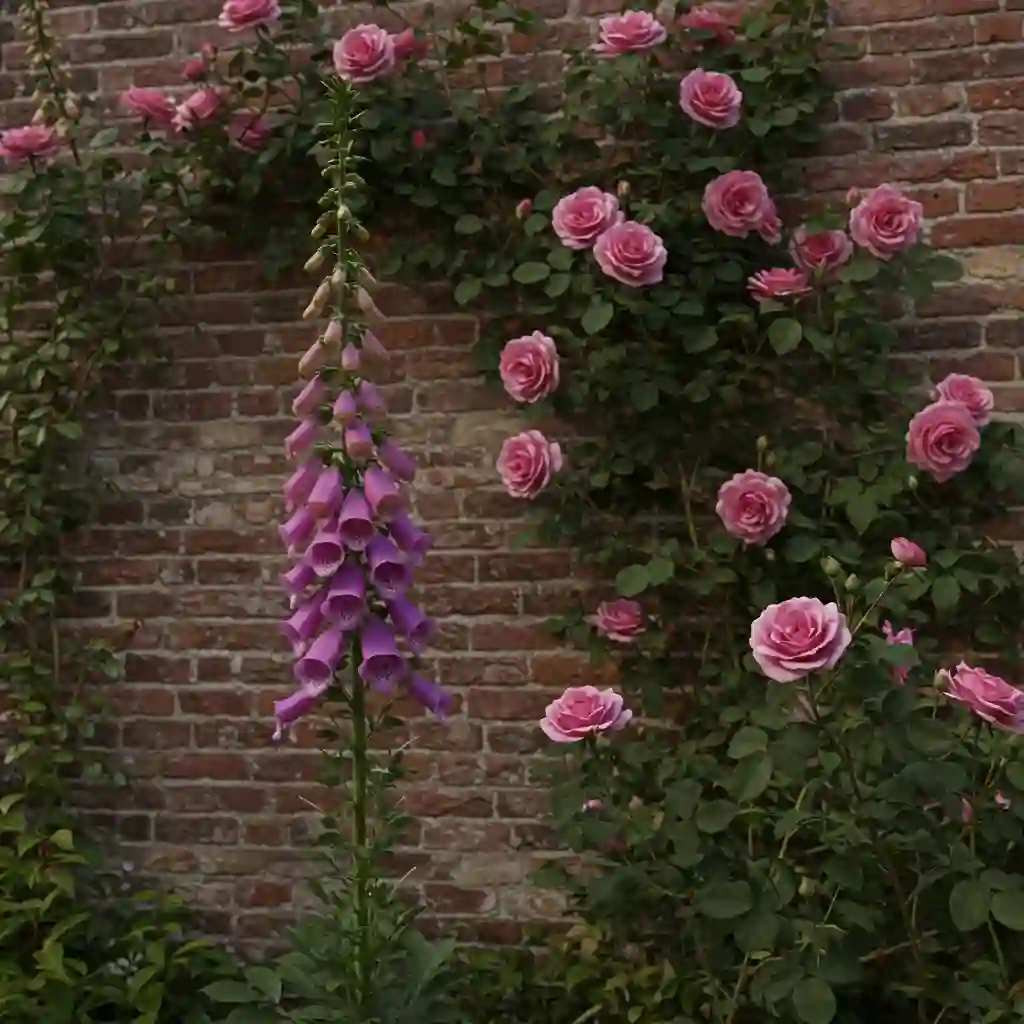
Climbing roses are perhaps the most iconic cottage garden plant. Training a fragrant, rambling rose to grow up the front of your house or over an arbor is the ultimate romantic statement.
Other quintessential choices include tall, stately spires of hollyhocks and foxgloves, fragrant and billowy peonies, and classic, easy-care lavender. I love to use a mix of these timeless flowers to create a garden that feels as if it has been there for generations.
- Tall Spires: Hollyhocks, Foxgloves (Digitalis), Delphiniums, and Lupines.
- Romantic Blooms: Climbing Roses, Peonies, and Old-fashioned Garden Roses.
- Fragrant Fillers: Lavender, Catmint (Nepeta), and Pinks (Dianthus).
- Self-Seeders: Poppies, Forget-me-nots, and Cosmos (more on this later!).
For an enhancement, be sure to include plants that provide interest in all seasons. Add spring-flowering bulbs like daffodils and tulips, a few fall-blooming asters or sedums, and some small, evergreen shrubs for winter structure.
3. Add an Arbor or Archway Draped in Roses
Creating a sense of journey and destination is a key part of garden design, and a simple arbor or archway is a perfect way to do this in a cottage garden.
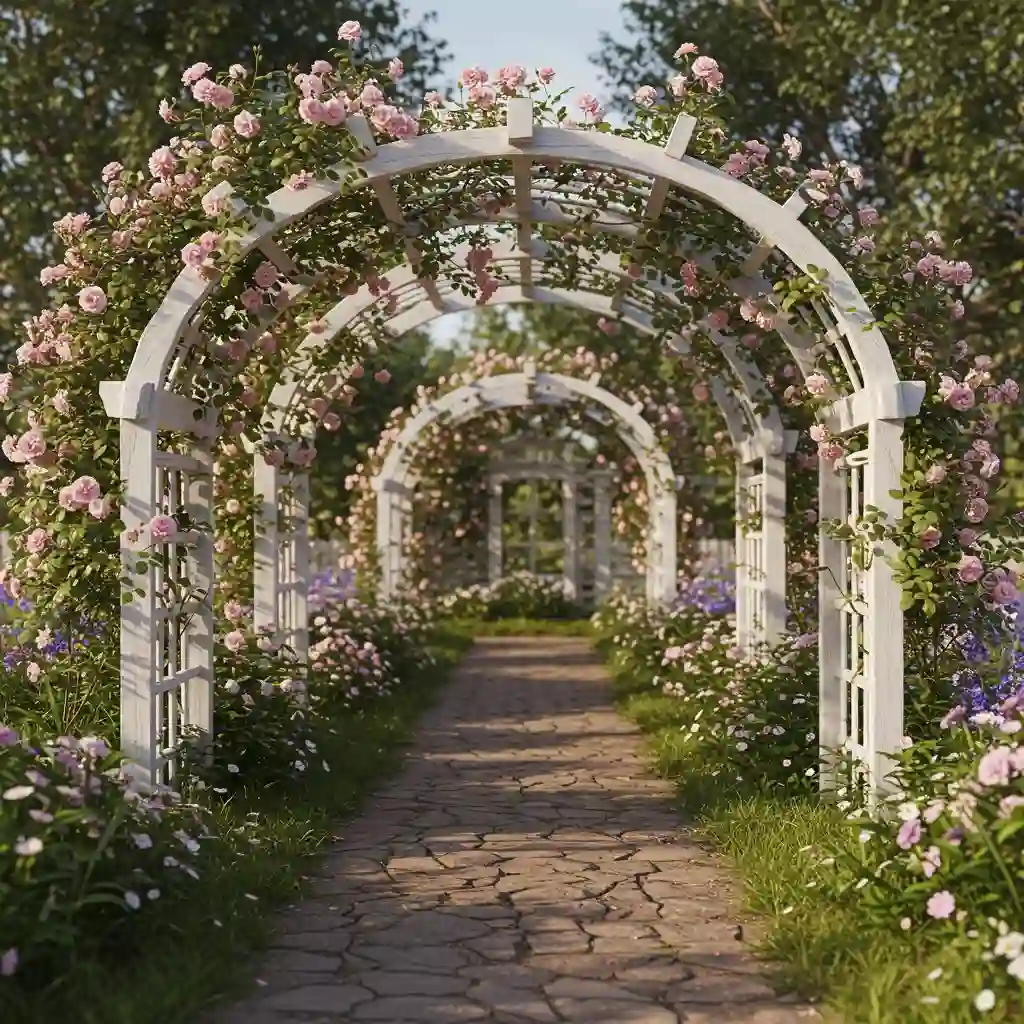
An arbor creates a beautiful, defined entryway, inviting you to pass from one part of the garden to another. It adds a much-needed vertical element, drawing the eye upward and creating a sense of height and romance.
Of course, in a cottage garden, an arbor should never be left bare. The ultimate creative solution is to drape it in a beautiful, fragrant, climbing rose.
As the rose grows and twines around the structure, it creates a magical, flower-covered gateway that is the very essence of romance.
I often place an arbor over the main path leading into the backyard, so it acts as a formal “welcome” to the garden sanctuary.
- Placement: Use it to frame an entrance, to mark the transition between two garden “rooms,” or as a standalone feature with a bench underneath.
- Materials: A simple, rustic wooden arbor or a more formal, metal one both work beautifully.
- Planting: Climbing roses are the classic choice. A flowering vine like clematis is another stunning option.
For an enhancement, plant a different but complementary vine on the other side of the arbor. The classic English garden pairing is a climbing rose and a clematis, which will weave together to create a longer and more varied season of bloom.
4. Create Winding, Informal Pathways
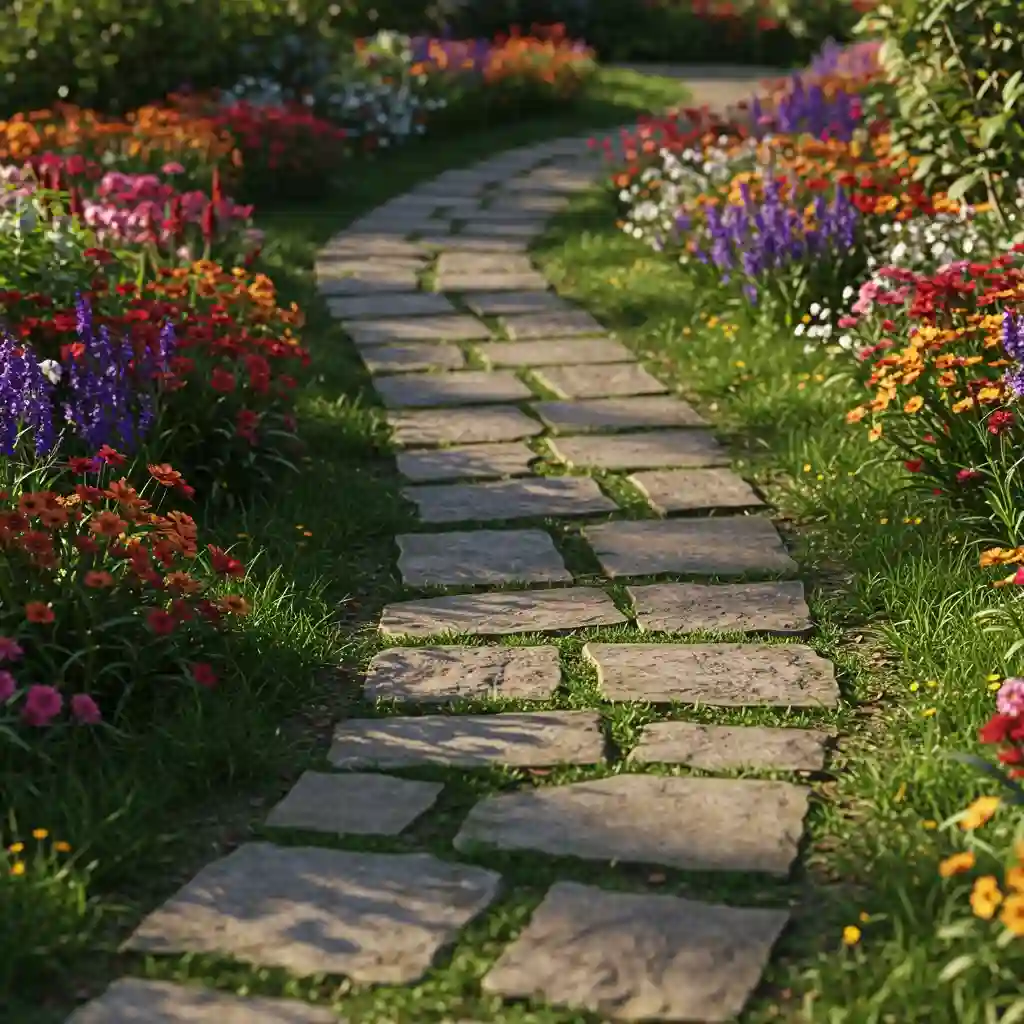
A cottage garden should feel relaxed and natural, not rigid and formal. The pathways that lead you through the garden should reflect this. Instead of a wide, straight, concrete sidewalk, opt for a narrower, more informal, winding path made from natural materials.
A gently curving path slows you down, encourages you to meander and admire the plants, and creates a sense of mystery, as you can’t see what’s around the next bend.
I always tell my clients to lay out their path with a garden hose first, creating long, graceful curves that feel natural to walk. The materials should be simple and time-worn.
A path made of irregular flagstones with plants growing in the cracks, a simple gravel path, or even a soft path of shredded bark mulch are all perfect choices for a cottage garden.
- Materials: Irregular flagstone, pea gravel, brick, or bark mulch.
- Design: Create long, sweeping curves, not tight, jerky turns.
- Width: Keep the paths relatively narrow (2-3 feet) to make the surrounding flower beds feel even more full and abundant.
For the ultimate enhancement, intentionally plant low, creeping plants like creeping thyme or Irish moss in the cracks between your stepping stones. This will soften the hard edges of the path and make it feel as though it has been there for a very long time.
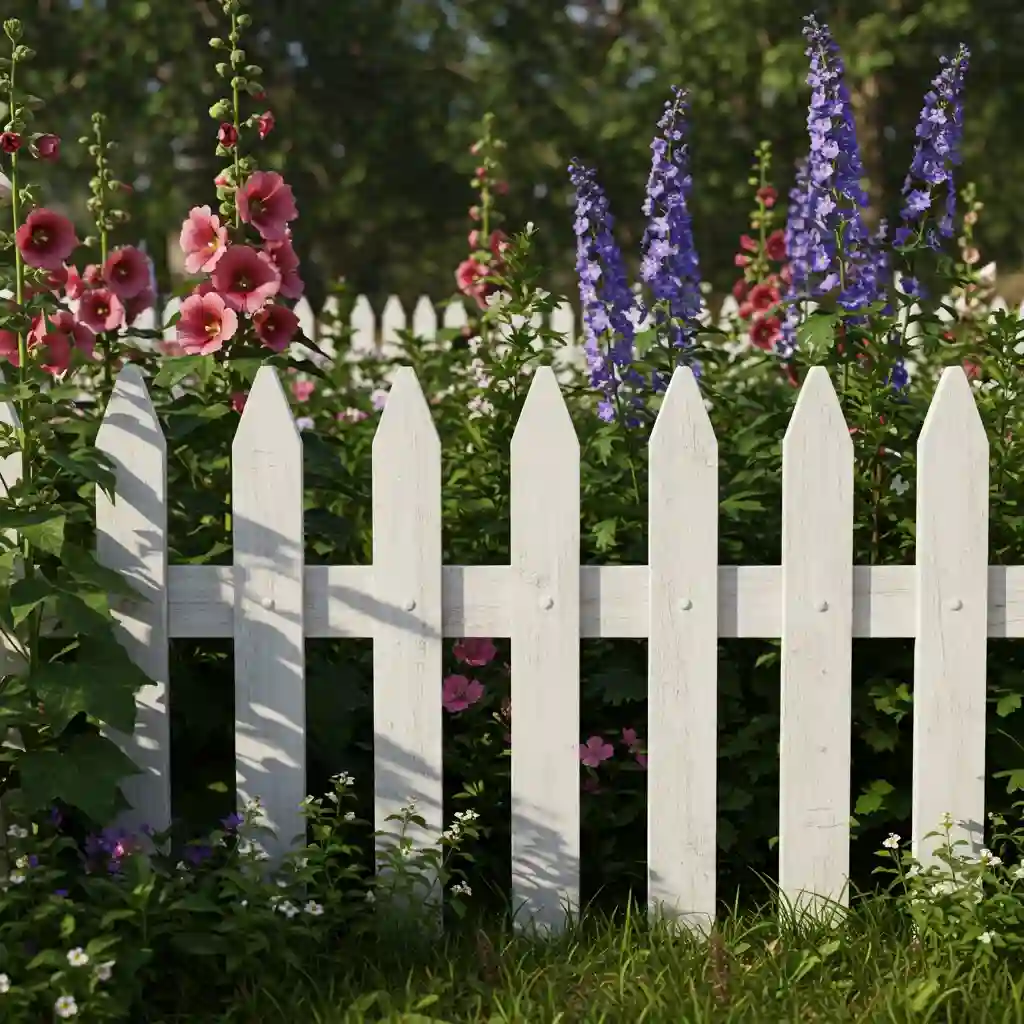
5. Install a Quaint Picket Fence
A classic, white picket fence is the quintessential boundary for a cottage garden. It creates a sense of charming, gentle enclosure without feeling like a harsh, solid barrier.
It defines the garden space, provides a beautiful, traditional backdrop for your flowers, and has a wonderfully nostalgic, storybook quality. A picket fence is the perfect frame for the beautiful, chaotic painting of your abundant flower beds.
While white is the most classic color, a picket fence can also be painted a soft gray, a pale blue, or even left to weather naturally for a more rustic look.
The simple, repeating vertical lines of the pickets provide a nice, orderly contrast to the wild abundance of the flowers inside. As seen in countless images of idyllic cottages, it’s a perfect pairing.
- Style: Classic, with evenly spaced vertical boards (pickets), often with a decorative top.
- Height: A shorter fence (3-4 feet high) is typically best, as it’s meant to be a charming border, not a privacy fortress.
- Material: Traditionally wood, but low-maintenance vinyl options are also available.
For an enhancement that is a true cottage garden classic, plant a rambling rose or a flowering vine at the base of your picket fence and allow it to weave in and out of the pickets as it grows.
6. Mix Edibles with Ornamentals
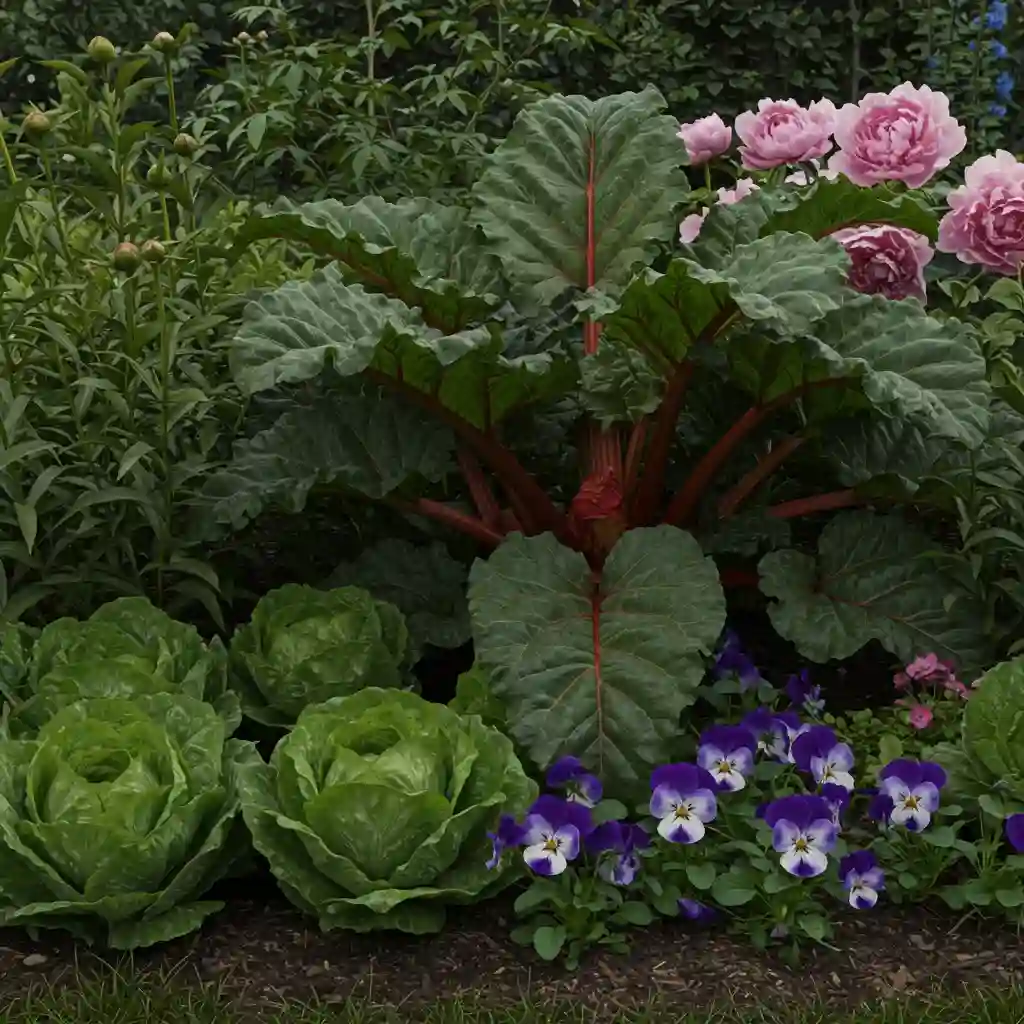
The original cottage gardens were practical, working gardens. They weren’t just for beauty; they were for providing food, herbs, and medicine for the family.
The modern cottage garden pays homage to this tradition by beautifully integrating edible plants amongst the ornamental flowers. This is a wonderfully sustainable and functional approach to gardening, where every plant is both beautiful and useful.
Don’t relegate your vegetables to a separate, hidden patch. Let them be part of the beautiful chaos! The feathery fronds of a carrot plant, the large, sculptural leaves of a kale plant, or the beautiful, purple flowers of a chive plant can be just as beautiful as any traditional perennial.
I love to tuck a few lettuce plants into the front of a flower border or use a climbing bean plant as a beautiful, flowering vine on a trellis.
- Beautiful Edibles: Rainbow chard, artichoke plants, scarlet runner beans (with their beautiful red flowers), and many herbs.
- Integration: Simply plant your vegetables and herbs right in amongst your flowers in the main garden beds.
- Benefits: Maximizes your growing space, creates a beautiful and productive garden, and can help to naturally deter pests.
For a beautiful enhancement, choose edible plants that have particularly beautiful flowers or foliage. For example, the vibrant, edible flowers of nasturtiums can be allowed to trail along the edge of a garden bed, adding a beautiful pop of color and a peppery addition to your salads.
7. Let Plants Self-Seed for a Natural Look
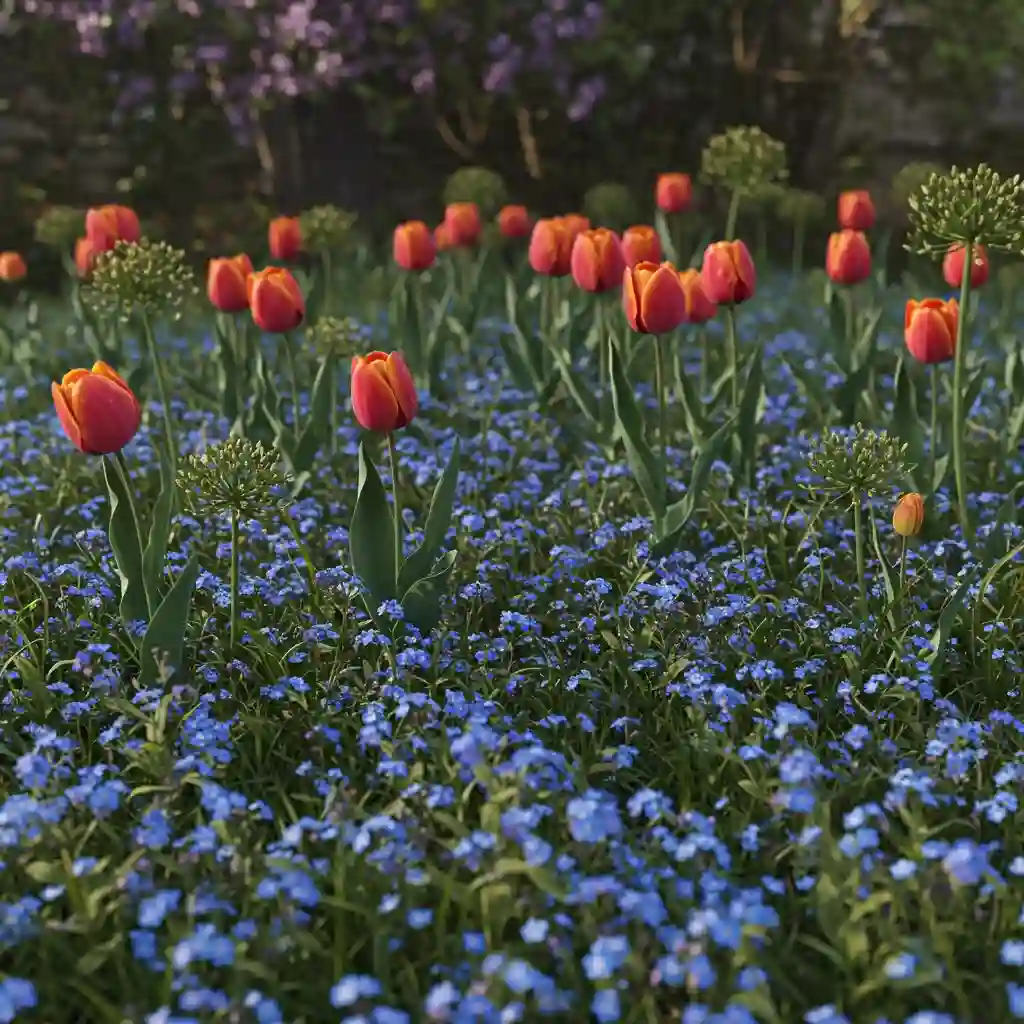
A key part of the charm of a cottage garden is that it looks a little bit unplanned and natural, as if it planted itself.
A great way to achieve this look is to allow certain plants to “self-seed.” This means that after they finish flowering, you allow them to set seed and drop those seeds naturally in the garden.
The following year, you’ll be rewarded with new, baby plants that have popped up in unexpected, often perfect, places.
This is the secret to creating that beautiful, interwoven, “full-to-bursting” look. The self-seeded volunteers will fill in the gaps between your other plants, creating a more natural and cohesive tapestry of foliage and flowers. This is a very low-effort way to get more plants for free!
- Great Self-Seeders: Columbine (Aquilegia), Foxgloves (Digitalis), Poppies (Papaver), Forget-me-nots (Myosotis), and Love-in-a-mist (Nigella).
- The Process: Simply leave the flower heads on these plants after they finish blooming instead of deadheading them.
- Editing is Key: You will likely get more new plants than you need. The key is to “edit” in the spring by simply pulling out the seedlings that have popped up in undesirable places.
As an enhancement, after a few years of allowing your plants to self-seed, you can collect the seeds from your own plants and host a seed-swap with friends and neighbors. It’s a wonderful, traditional way to share the bounty of your garden.
8. Use Natural, Time-Worn Materials
A cottage garden should feel grounded, historic, and timeless. The materials you use for your pathways, walls, and structures are key to achieving this feel. Avoid anything that looks too new, modern, or mass-produced.
Instead, opt for natural, traditional materials that will age gracefully and develop a beautiful, weathered patina over time.
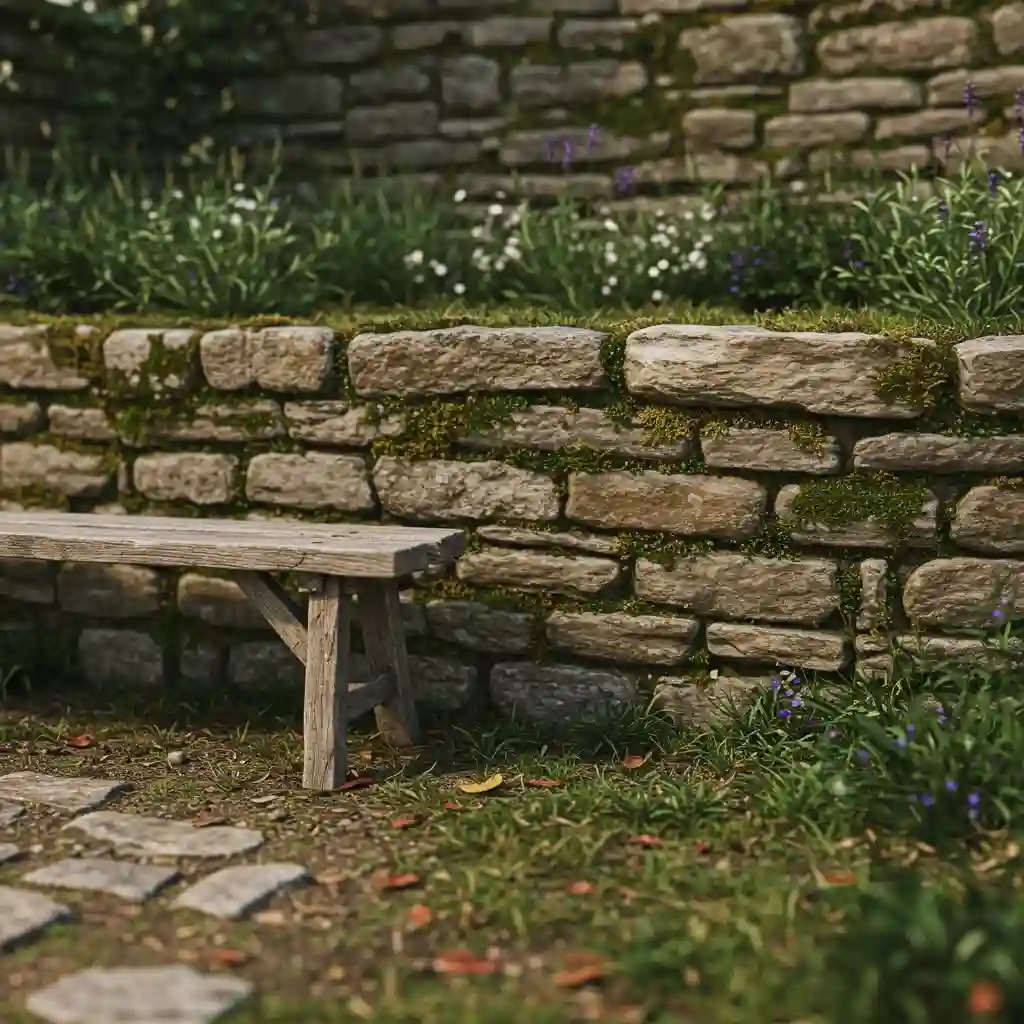
This is a core principle celebrated in publications like The English Garden. Think of a rustic, weathered brick path, a low retaining wall made of natural, locally sourced stone, or a simple, wooden bench that has been allowed to weather to a beautiful, silvery gray.
These materials have a sense of permanence and authenticity that is essential to the cottage style.
- For Paths: Weathered brick, irregular flagstone, or pea gravel.
- For Walls: Natural, dry-stacked stone or old, reclaimed brick.
- For Structures: Unfinished, naturally weathering wood (like cedar) for arbors and benches.
- Accents: Terracotta pots that will develop a beautiful, mossy patina.
For an enhancement that speeds up the aging process, you can encourage moss and lichen to grow on your new stone walls or terracotta pots.
Simply paint them with a mixture of buttermilk or plain yogurt, which will provide a food source and encourage these beautiful, age-old patinas to develop more quickly.
9. Include a Simple, Rustic Seating Area
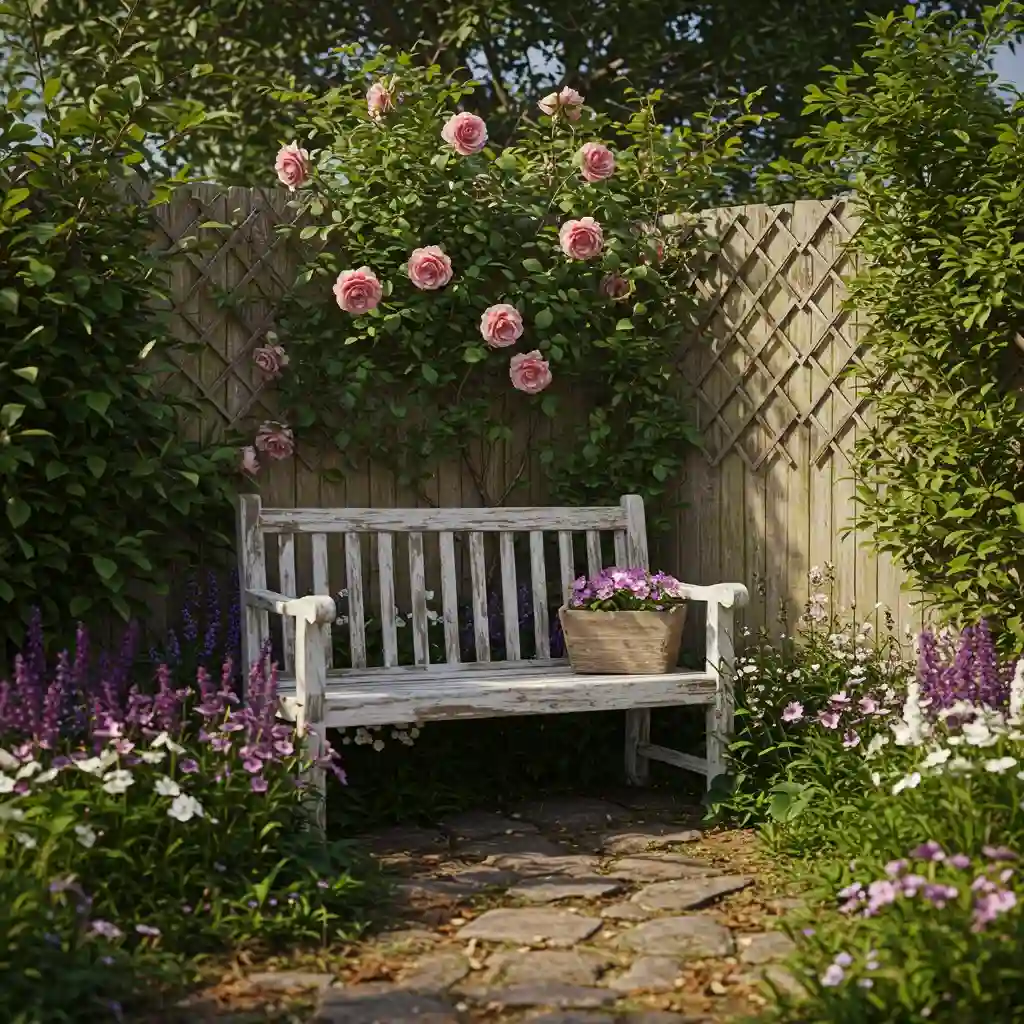
A garden is a place to be, not just to look at. It’s essential to include a simple, charming seating area where you can sit, relax, and enjoy the beautiful oasis you’ve created. A cottage garden seating area shouldn’t be overly formal or grand. It should feel like a simple, rustic, and inviting retreat.
A classic, English-style wooden Lutyens bench tucked into a secluded corner is a perfect choice.
A simple, metal bistro set placed on a small gravel patio can be a charming spot for a morning coffee. I love to find a beautiful, old, weathered wooden bench at a flea market. Its imperfections and history add so much character.
- Choose a Secluded Spot: Place your seating in a spot that feels a bit private and enclosed, perhaps under a tree or surrounded by fragrant flowers.
- Simple Furniture: A classic wooden bench or a simple, metal bistro set.
- Comfort: Add a comfortable, outdoor-friendly cushion in a classic pattern like a stripe or a floral.
For an enhancement, ensure your seating area is surrounded by fragrant plants. Planting lavender, roses, or scented geraniums near your bench will create a beautiful, multi-sensory experience.
10. Plant a Charming, Fragrant Herb Garden
In keeping with the practical origins of the cottage garden, a dedicated herb garden is a classic and wonderful feature. It’s a space that is both beautiful and incredibly useful, providing fresh, fragrant herbs for your kitchen.
The variety of foliage textures and the wonderful aromas of an herb garden make it a true sensory delight.
You don’t need a large, formal, geometric herb garden.
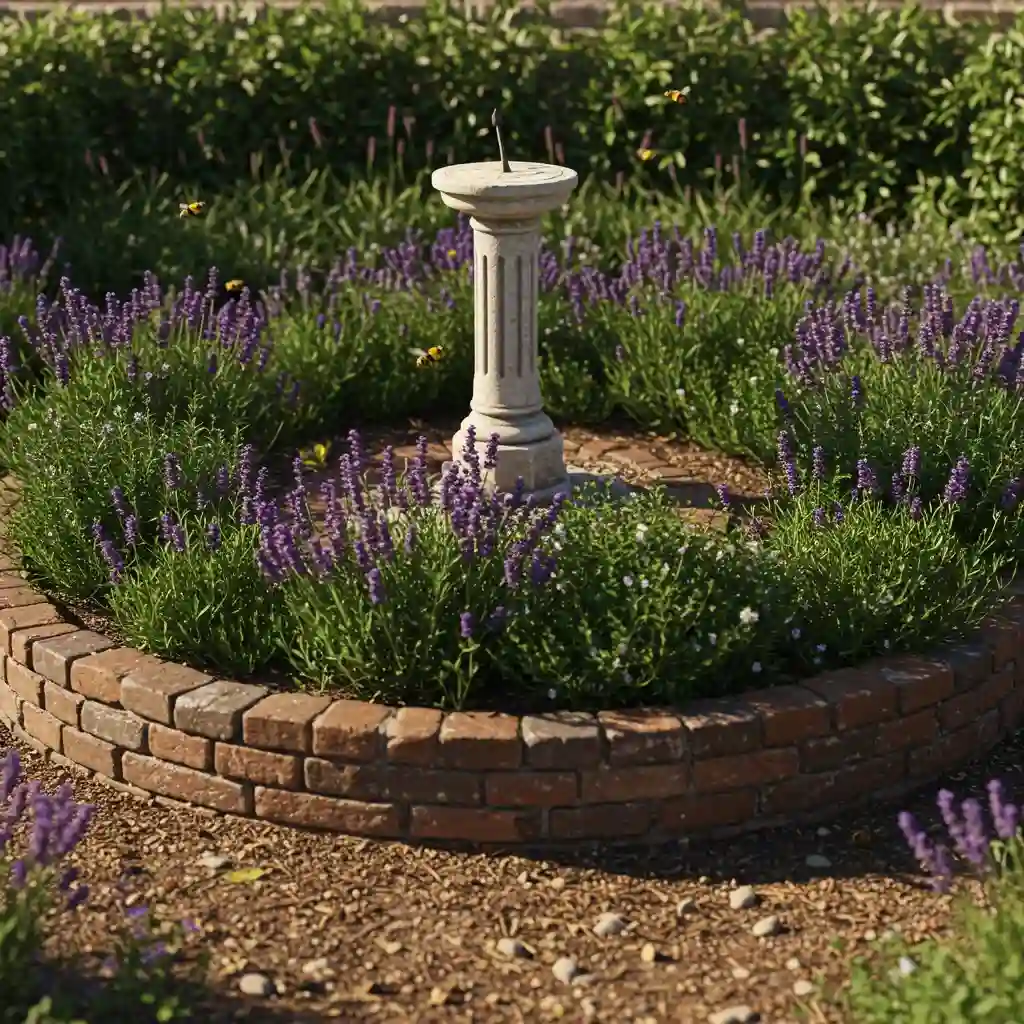
A simple, rustic, cottage-style herb garden can be created in a small, sunny patch of ground or in a collection of terracotta pots. I love the idea of creating a small, informal “knot garden” with low, clipped hedges of lavender or thyme.
- Easy, Fragrant Herbs: Lavender, Rosemary, Thyme, Sage, Mint (in a pot!), and Chives.
- Placement: Choose a sunny spot, ideally close to your kitchen for easy access.
- Design: You can create a small, dedicated bed, or simply mix your herbs in with your flowers.
For a charming and traditional enhancement, place a simple, classic sundial or a small birdbath in the center of your herb garden to act as a rustic focal point.
11. Add a Classic Birdbath or Water Feature
A source of water is a classic element in a cottage garden. It provides a vital resource for birds and pollinators, adding life and movement to your garden.
The sound of birds splashing in a birdbath or the gentle trickle of a small fountain can also be incredibly relaxing, adding another layer to the sensory experience of your cozy retreat.
A cottage garden water feature should be simple, classic, and feel like it belongs in the space.
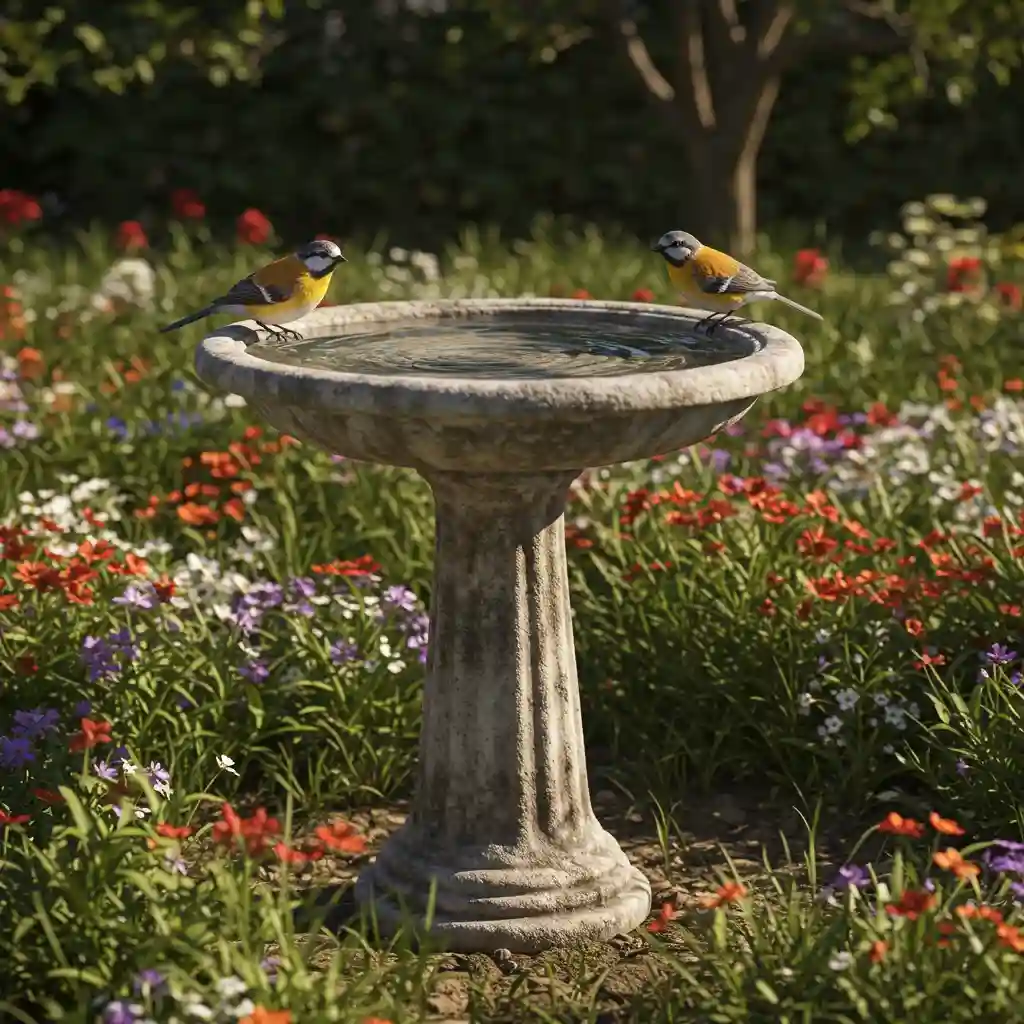
A traditional, pedestal-style birdbath made of weathered concrete or stone is a perfect choice. A simple, overflowing urn-style fountain can also provide the gentle sound of moving water without feeling too formal.
- Style: Choose a birdbath or a fountain with a simple, classic design and a weathered, natural finish.
- Placement: Place it where you can easily see it from a window or your seating area, and where birds will feel safe from predators.
- Maintenance: Keep the water fresh and clean, especially in hot weather.
As an enhancement, place your birdbath in the middle of a flower bed, surrounded by plants that attract birds, such as coneflowers and sunflowers (which provide seeds) and brightly colored tubular flowers (which attract hummingbirds).
12. Use Vintage and Upcycled Planters
The containers you use in a cottage garden should have just as much charm and character as the plants themselves. This is the perfect opportunity to get creative and use vintage, found, or upcycled items as unique planters.
This adds a layer of personal, homespun charm that is central to the cottage aesthetic. Instead of a row of standard, plastic nursery pots, a collection of mismatched, character-filled containers will make your garden feel much more authentic and collected.
I love to scour flea markets and antique shops for unique items that can be turned into planters.
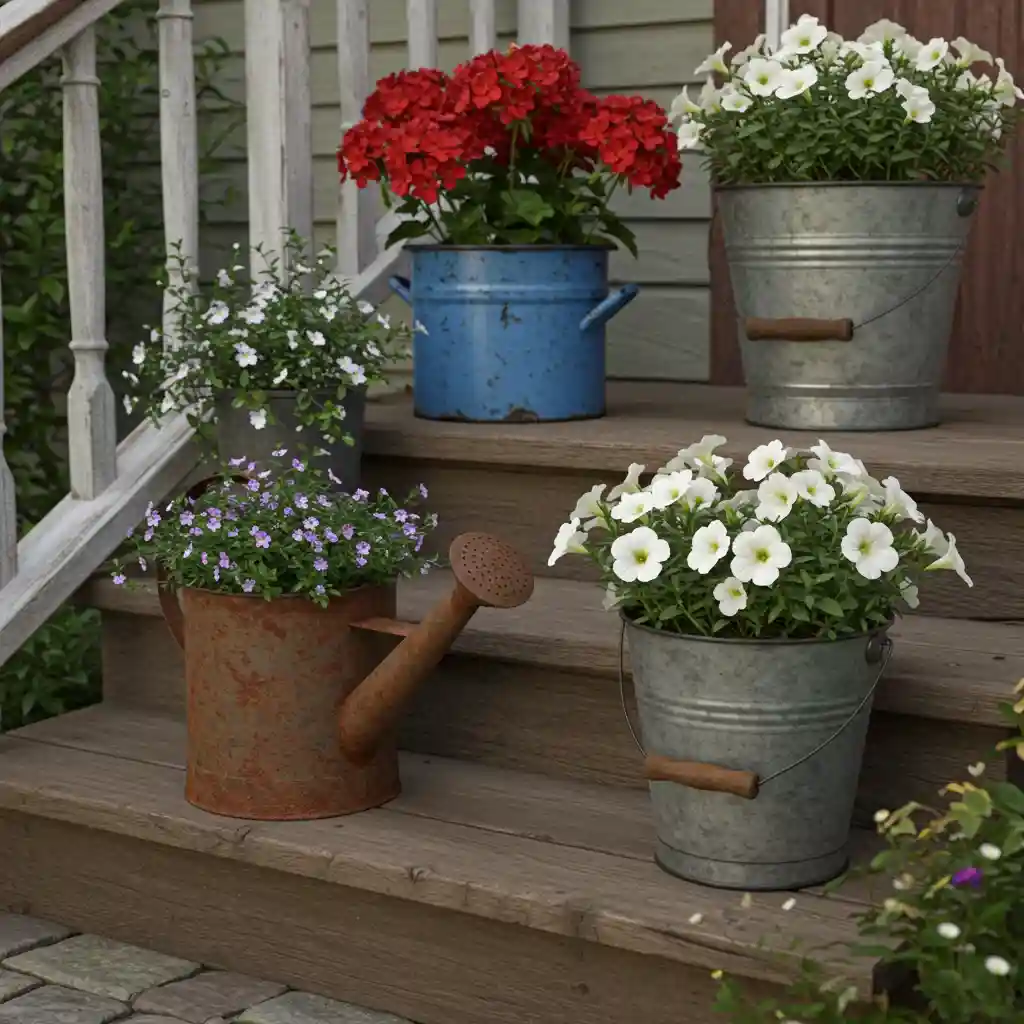
An old, galvanized metal washtub, a vintage enamelware colander, a chipped ceramic pitcher, or even a pair of old, worn-out leather boots can all make for wonderfully whimsical and charming planters.
- What to Look For: Galvanized buckets, vintage watering cans, old wooden crates, chipped teacups, and enamelware.
- Drainage is Key: This is the most important step. You must drill or punch drainage holes in the bottom of any container that doesn’t have them.
- Group Them: A collection of several different, unique planters grouped together can create a stunning and playful vignette.
For a classic enhancement, find an old, rustic wheelbarrow. You can either leave it with its weathered, rusty patina or give it a coat of cheerful paint, and then fill it with an overflowing arrangement of trailing annual flowers. It’s a classic, high-impact cottage garden feature.
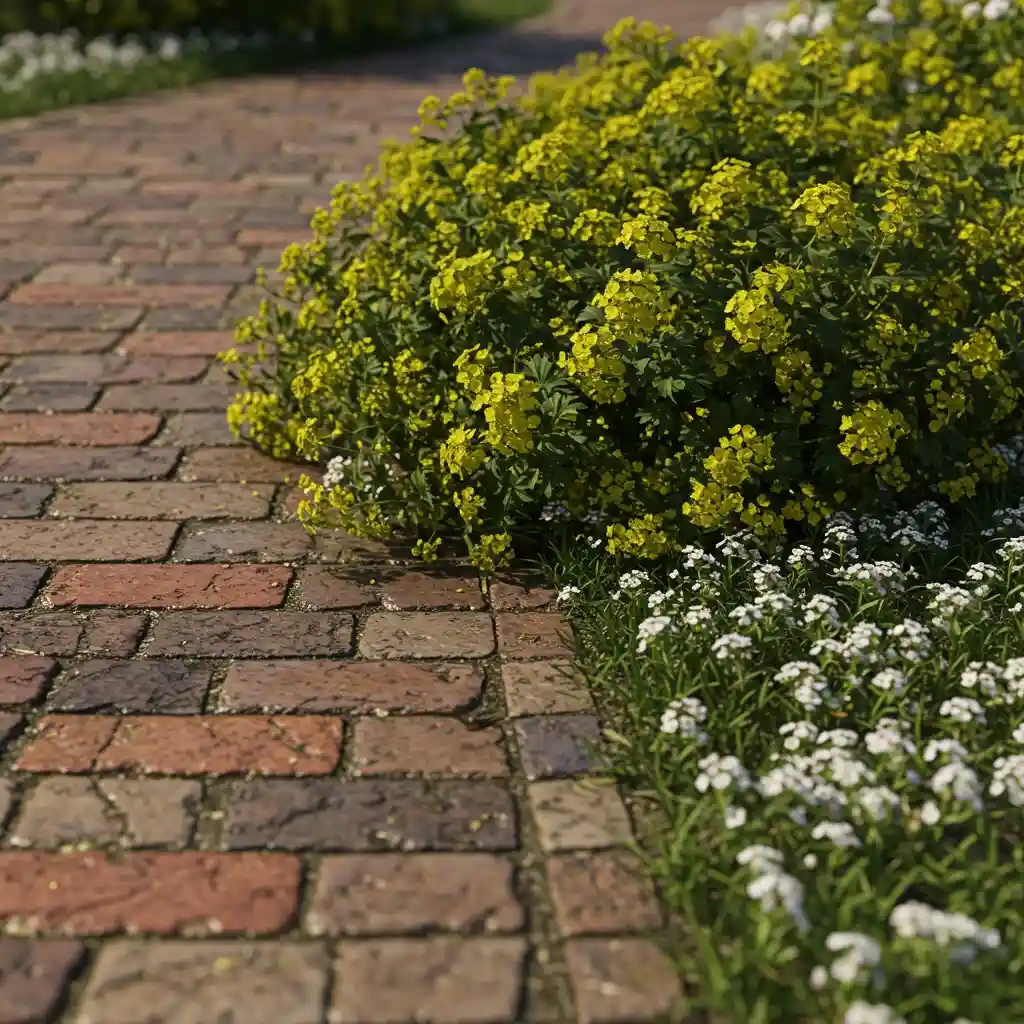
13. Soften Edges with Spilling and Trailing Plants
A key characteristic of the cottage garden style is the softening of all hard lines and edges. The goal is to have a beautiful, romantic blur between your pathways, your patios, and your garden beds.
The best way to achieve this is by using an abundance of low-growing, spilling, and trailing plants at the very front of your borders and along the edges of your paths.
These plants will cascade gracefully over the hard edges of your bricks, stones, or wooden beds, creating a beautiful, soft, and romantic effect.
They make the garden feel more mature and established, as if the plants are joyfully trying to escape their designated beds. I always tell my clients to generously plant these “spillers” to achieve that coveted, overflowing look.
- Great Spilling Plants: Sweet Alyssum, Creeping Phlox, Trailing Lobelia, Aubrieta, and Lady’s Mantle (Alchemilla mollis).
- Placement: Plant them right at the front edge of your garden beds, in the cracks of a stone wall, or at the edge of your container pots.
- Effect: Softens hard edges and creates a lush, overflowing, and romantic feel.
As an enhancement, plant a fragrant spiller, like sweet alyssum, along the edge of a path or a patio. As it warms in the sun, it will release a beautiful, sweet, honey-like fragrance.
Conclusion
Creating a cottage garden is a joyful and deeply personal process. It’s about crafting a space that is less concerned with rigid rules and more focused on the romantic, slightly wild beauty of nature.
As we’ve explored through these 13 ideas, the essence of the cottage garden lies in its charming chaos, its dense and abundant plantings, and its use of natural, timeless materials.
By embracing these principles, you can create a cozy, enchanting retreat that feels like a storybook brought to life a garden that is not just a collection of plants, but a true sanctuary for the soul.
I encourage you to let go of perfection and have fun with your garden. The beauty of the cottage style is that it is forgiving and evolves over time. Start with a few classic plants, create a simple, winding path, and allow your garden to grow and change with the seasons.
A cottage garden is a long and loving conversation with nature, and the result is a beautiful, one-of-a-kind space that is a true reflection of you. For more inspiration, you might enjoy our guide to choosing romantic flowers.
What are the 3 key elements of a cottage garden?
The three most important elements are: 1) Abundant, densely packed, informal plantings with a mix of flowers, herbs, and edibles. 2) The use of traditional, “old-fashioned” plants like roses, foxgloves, and lavender. 3) The incorporation of charming, rustic structures and natural materials, like a picket fence, a stone path, or a wooden arbor.
How do I start a cottage garden from scratch?
Start by preparing your soil well with plenty of compost. Then, define your bed shapes, ideally with gentle curves. Begin by planting your “structural” plants, like a climbing rose or a few key shrubs. Then, fill in the spaces with hardy perennials. Finally, in the first few years, use inexpensive, self-seeding annuals to fill in all the gaps while your perennials mature.
What are the best plants for a cottage garden?
Classic choices include roses (especially climbing and old garden varieties), hollyhocks, foxgloves, delphiniums, peonies, lavender, catmint, hardy geraniums, and self-seeding annuals like poppies and cosmos. The key is to have a mix of heights, shapes, and textures.


