Are you searching for charming front yard garden design ideas to transform the entrance of your simple house into a warm and welcoming retreat? Your front garden is the first thing you, your family, and your guests see every day.
It’s your home’s handshake, setting the tone for everything inside. A well-designed front garden can add immense curb appeal, character, and a sense of joy to even the most modest of homes. It’s about creating a beautiful transition from the public world of the street to the private sanctuary of your home, filled with color, fragrance, and life.
This guide is dedicated to providing you with 15 achievable and stunning ideas to help you create a beautiful front yard garden. From graceful flower beds and romantic arbors to the timeless appeal of a picket fence, these concepts will help you craft a truly charming first impression.
1. Create a Graceful, Curved Flower Bed
One of the easiest and most effective ways to add charm and grace to a simple, boxy house is to create a garden bed with a deep, sweeping curve. Straight, narrow foundation plantings can often feel rigid and uninspired. A generous, curved bed softens the hard lines of the house and driveway, creating a more organic and naturalistic feel. It draws the eye along its gentle arc, making the entire front yard feel more dynamic and thoughtfully designed.
I always suggest this as the first step for clients who want to move beyond a basic “strip” of planting. To get the perfect shape, lay a garden hose on the ground and play with different curves until you find one that feels balanced and graceful. Remember, a few long, sweeping curves are more elegant and easier to mow around than many small, busy squiggles.
- Layout: Use a garden hose to outline a long, gentle curve.
- Depth: Make the bed deep enough (at least 3-4 feet at its widest point) to allow for layered planting.
- Edging: Create a clean, crisp edge with a spade or install a simple landscape edging to keep the grass out.
For an enhancement, at the widest point of your curve, plant a slightly larger shrub or a small ornamental tree. This will anchor the design and give the curve a sense of purpose, making it look as though the bed is gracefully curving around this important feature.
2. Plant a Charming “Welcome Garden” by the Entrance
Create an extra-special welcome for your guests by designing a small, dedicated “welcome garden” right next to your front door or where your main walkway meets the porch. This is a small, high-impact area that should be filled with your most beautiful, fragrant, and welcoming plants. Because it’s the area that people will see up close, you can focus on plants with beautiful details, like intricate flowers and interesting foliage.
This is the perfect spot for your favorite fragrant flowers. I love to use this space to plant a mix of classic, welcoming plants that provide color and scent for much of the year. It’s a small gesture that makes a huge impact on how inviting your home feels.
- Location: In the small bed next to the front steps, or in a collection of beautiful pots on the porch.
- Fragrant Plants: Lavender, garden roses, sweet alyssum, or fragrant herbs like rosemary.
- Color: Choose a simple, cohesive color palette of two or three colors that complement your front door.
- Year-Round Interest: Include a small, evergreen shrub so the area doesn’t look bare in the winter.
For a charming enhancement, add a small, personalized garden sign to your welcome garden. A simple, slate sign that says “Welcome” or displays your family name can be a beautiful, personal touch.
3. Frame the View with a Classic Picket Fence
A classic, white picket fence is the quintessential frame for a charming front yard garden. It creates a sense of gentle enclosure and a clear boundary between the public space of the street and the private space of your home, without feeling unfriendly or imposing. It provides a beautiful, traditional backdrop for your flowers and has a wonderfully nostalgic, storybook quality that is perfect for a simple house.
The simple, repeating vertical lines of a picket fence provide a lovely, orderly contrast to the more wild, abundant plantings of a cottage-style garden. I always tell my clients that a picket fence is like the perfect picture frame; it contains the art and makes it look more important.
- Height: A shorter fence, typically 3 to 4 feet high, is best for a charming, decorative look.
- Style: Classic, with evenly spaced vertical boards, often with a decorative top like a scallop or a pointed picket.
- Color: White is the most classic and popular choice, but a soft gray or a natural, weathered wood can also be beautiful.
For an enhancement that is a true garden classic, plant a rambling rose or a flowering vine like clematis at the base of your picket fence and allow it to weave in and out of the pickets as it grows. This softens the lines of the fence and adds another layer of romantic charm.
4. Install a Romantic, Rose-Covered Arbor
To create a truly enchanting and memorable entrance to your front yard or along your main pathway, install a simple garden arbor. An arbor adds a much-needed vertical element to a flat yard, drawing the eye upward and creating a sense of height and drama. It acts as a beautiful, three-dimensional gateway, signaling a transition and inviting you to enter the garden sanctuary.
Of course, an arbor should never be left bare. The ultimate romantic and classic treatment is to drape it in a beautiful, fragrant, climbing rose. As the rose grows and twines around the structure, it creates a magical, flower-covered gateway that is the very essence of a charming garden. I often place an arbor over the walkway right at the entrance from the sidewalk; it’s a beautiful and gracious welcome.
- Placement: Over the main entrance path, or as a standalone feature with a bench underneath.
- Materials: A simple, rustic wooden arbor or a more formal, metal one both work beautifully.
- Planting: Climbing roses are the classic choice. A flowering vine like clematis or wisteria is another stunning option.
For an enhancement, install a simple, low, swinging garden gate within your arbor. The act of opening a small gate to enter your garden adds another layer of charm and a sense of entering a special, private space.
5. Design a Winding Stone or Brick Pathway
The pathway that leads to your front door is one of the most important elements in your front yard. Instead of a standard, straight, concrete sidewalk, a gently winding path made from natural, traditional materials can add a huge amount of charm and character. A curved path slows the journey to your front door, making the experience more pleasant and making your front yard feel larger and more interesting.
I love to work with natural and reclaimed materials for pathways. A path made of irregular flagstones with a soft groundcover growing in the cracks has a beautiful, aged, and informal feel. A classic, weathered brick path laid in a herringbone pattern has a timeless, formal elegance. The key is to make the curves long and graceful, not tight and awkward.
- Materials: Irregular flagstone, weathered brick, or even simple gravel contained by an edge.
- Design: Create long, sweeping curves that feel natural to walk.
- Width: Ensure the path is wide enough for at least one person to walk comfortably, ideally 3-4 feet.
For a charming enhancement, allow your border plants to spill over the edges of your path slightly. Plants like Lady’s Mantle or creeping phlox will soften the hard edges of the stone or brick and make the path feel more integrated into the garden.
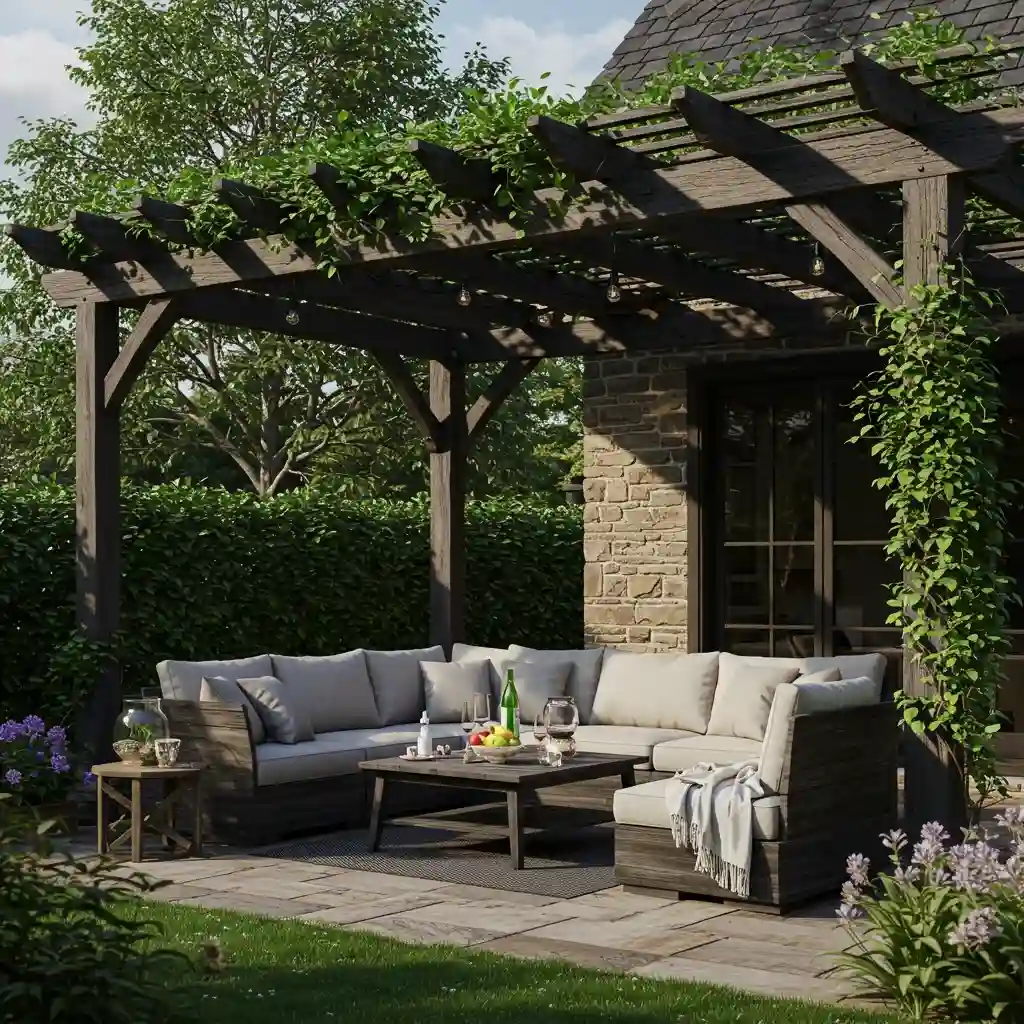
6. Use Window Boxes for a Pop of Color
Window boxes are one of the most charming and high-impact additions you can make to a simple house. They are essentially small, elevated garden beds that allow you to bring color, life, and greenery right up onto the facade of your home. A well-planted window box can make a house feel instantly more cheerful, cared-for, and welcoming. They add a layer of beautiful, three-dimensional detail to a flat exterior.
I always suggest painting or choosing a window box that matches the trim color of your house. This will make them look like an integrated, architectural feature. The key to a stunning window box is to plant it very densely using the classic “Thriller, Filler, Spiller” formula.
- Thriller: A taller, upright plant in the center (like a geranium or a small ornamental grass).
- Filler: Mounding flowers to fill in the space (like petunias or begonias).
- Spiller: Trailing plants to cascade over the front edge (like sweet potato vine or trailing verbena).
- Maintenance: Be sure to water them frequently, as they can dry out quickly.
For an enhancement, create a cohesive look by using the same “recipe” of plants in all of your window boxes and in a few matching containers on your front porch or steps.
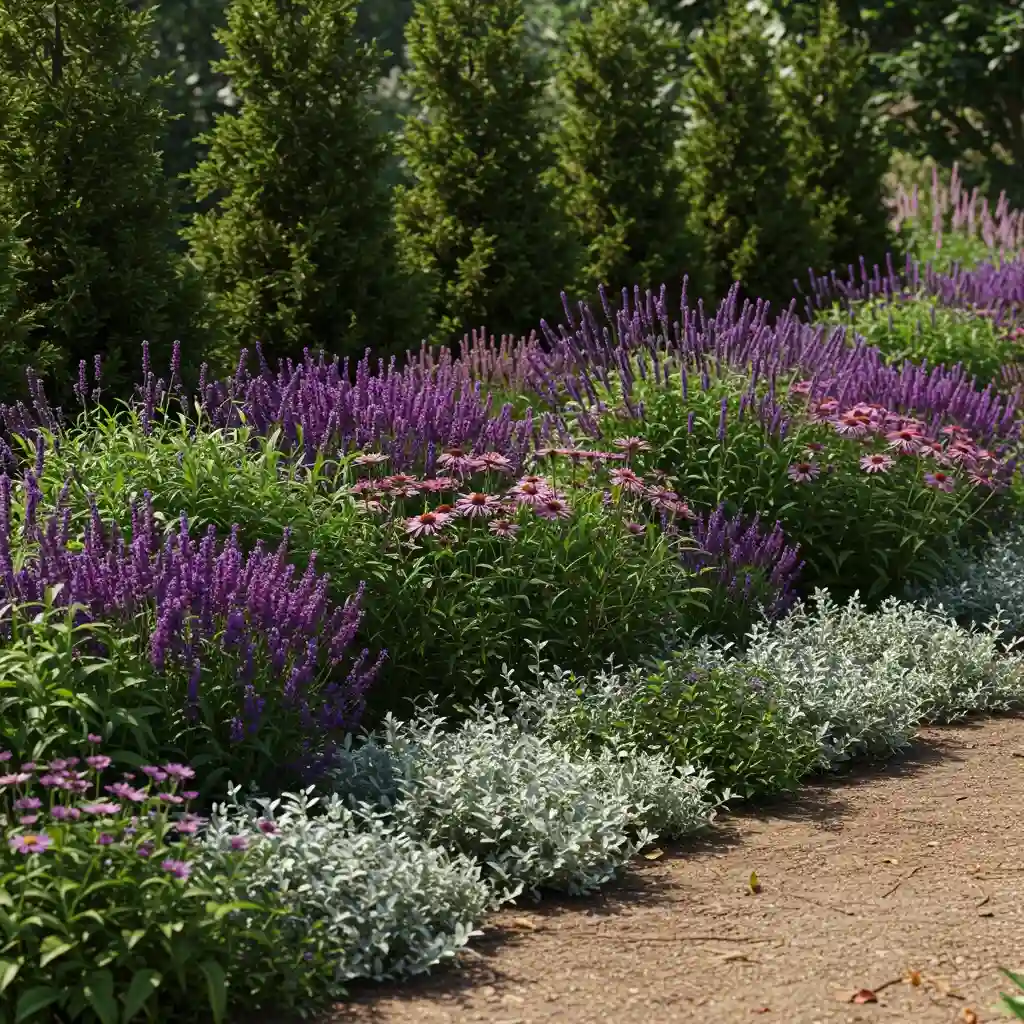
7. Layer Your Plantings for Depth and Fullness
One of the key secrets to a lush, professional-looking garden is layering. Instead of planting a single row of flowers in a narrow line, create deep, generous garden beds and plant in layers from back to front. This creates a sense of depth, richness, and visual interest, and makes your garden look much fuller and more established.
This is a simple concept that is the foundation of good garden design. I always provide my clients with this easy-to-remember formula for layering their beds.
- Back Layer (Tall): Place your tallest plants at the back of the bed, against the house or a fence. This could be a tall, flowering shrub like a hydrangea, a climbing rose on a trellis, or a tall perennial like a hollyhock.
- Middle Layer (Medium): In front of the tall plants, add your mid-sized perennials and flowers, like coneflowers, peonies, or daylilies.
- Front Layer (Small): At the very front edge of the bed, use your lowest-growing plants, like a mounding catmint or a border of sweet alyssum.
For an enhancement, pay attention to foliage texture as well as height. Place a plant with fine, feathery foliage next to one with large, bold leaves. The contrast in texture will add another layer of sophisticated, professional-looking detail to your garden bed.
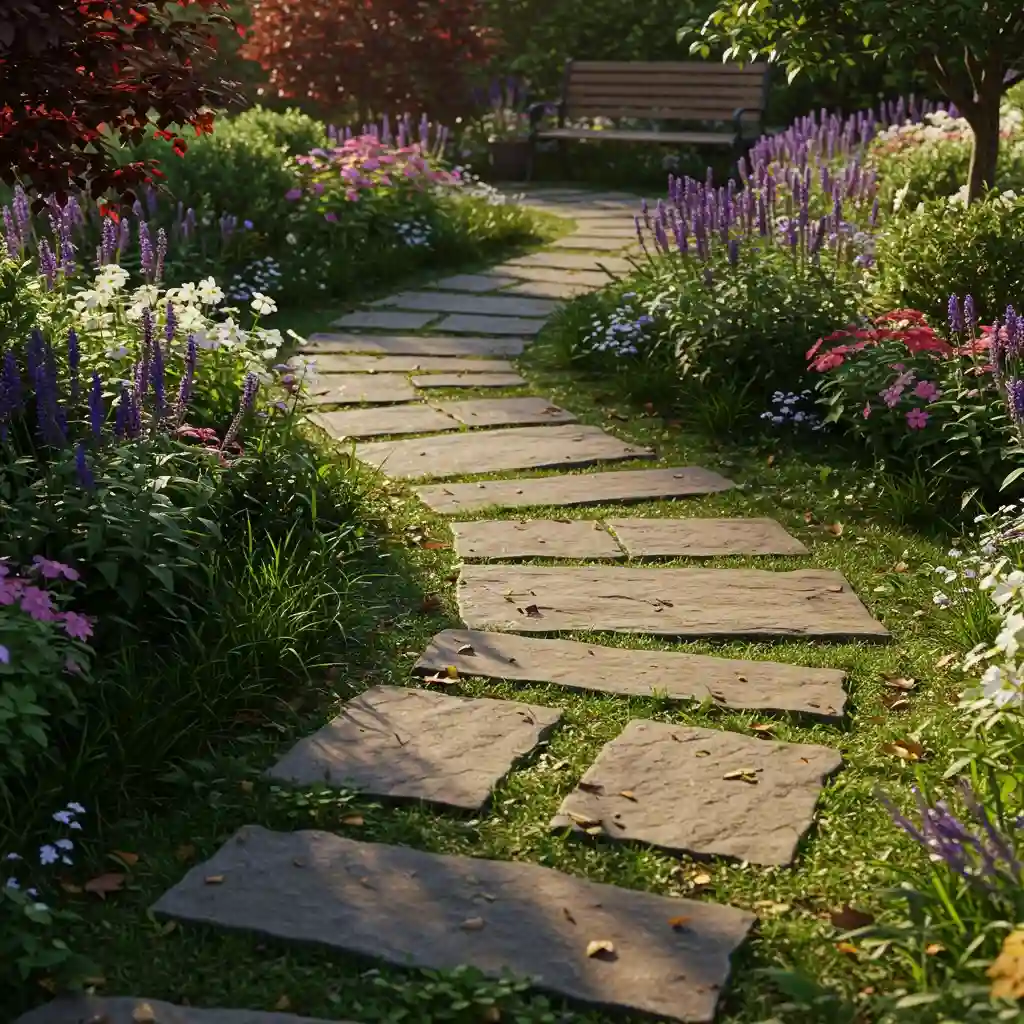
8. Incorporate Classic, Long-Blooming Flowers
A charming front yard should be filled with color for as long as possible. While trendy, new plant varieties can be fun, the most reliable and hardworking plants are often the classic, old-fashioned flowers that have been beloved for generations. The key to a beautiful and relatively low-maintenance garden is to choose a good selection of hardy, reliable perennials that are known for being long-blooming.
I always recommend that my clients build their garden around a foundation of these classic, tried-and-true performers. These are the plants that you can count on to put on a beautiful show year after year with minimal fuss.
- Sun-Loving Classics: Coneflowers (Echinacea), Black-Eyed Susans (Rudbeckia), Daylilies (Hemerocallis), Salvia, and Catmint (Nepeta).
- Shade-Tolerant Classics: Hydrangeas, Hostas, and Astilbe.
- Classic Roses: Look for hardy, disease-resistant shrub roses (like the Knock Out or Flower Carpet series) for easy, continuous blooms.
For an enhancement, plant a few, fragrant, old-fashioned annuals, like sweet peas on a small trellis or sweet alyssum along the border. These will provide a beautiful, sweet scent to greet you every time you walk up your path.
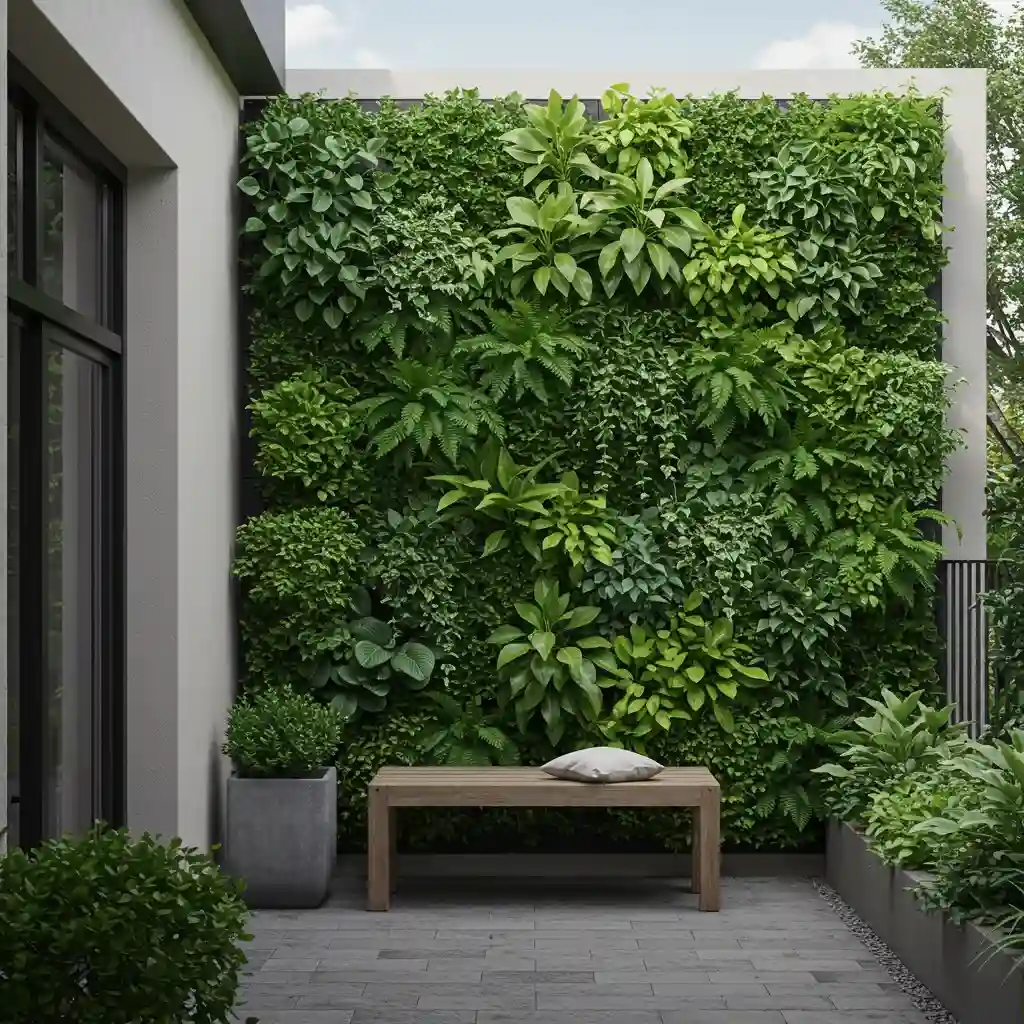
9. Add Evergreen Shrubs for Year-Round Structure
While flowers are the stars of the summer garden, a truly great front yard needs to look good all year round. The key to four-season interest is to have a solid “backbone” of evergreen shrubs. These plants retain their foliage through the winter, providing essential structure, form, and color when all the perennials have died back. They are the permanent architecture of your garden.
I always start a new garden design by placing the evergreen shrubs first. A few, well-placed boxwoods can create a formal, classic border. A pair of conical arborvitae can create a strong, vertical accent flanking an entryway. A beautiful, weeping evergreen can provide a graceful, year-round focal point.
- Classic Choices: Boxwood (for formal hedges and shapes), Holly, Juniper, Arborvitae, Yew, and Dwarf Spruce.
- Function: Provide winter interest, create a backdrop for your flowers, and can be used to create hedges and borders.
- Variety: Choose evergreens with different shapes (round, conical, weeping) and colors (deep green, blue-green, gold) for a more interesting composition.
For a very low-maintenance enhancement, choose dwarf or slow-growing varieties of your favorite shrubs. This will drastically reduce or even eliminate the need for regular pruning to keep them looking neat and in scale with your house.
10. Create a Focal Point with a Birdbath or Sundial
Every good garden design needs a focal point—a single, interesting object that draws the eye, anchors the design, and gives the viewer a place to rest their gaze. In a charming front yard garden, a classic, sculptural element like a birdbath or a sundial is a perfect choice. These objects add a sense of history, a touch of whimsy, and a timeless, artistic quality to the garden.
I love to place a focal point where two paths intersect, in the center of a circular garden bed, or in a spot that is clearly visible from your front window. A birdbath has the added benefit of attracting wildlife, adding the delightful sights and sounds of splashing birds to your garden.
- Classic Focal Points: A pedestal-style birdbath, a classic armillary sphere or sundial, a small, decorative statue, or a beautiful, large urn.
- Material: Choose an object made of a natural, weathered material like concrete, stone, or aged metal for the most authentic look.
- Placement: Place it in a prominent position where it can be seen and appreciated.
For an enhancement, plant a perfect circle of low, flowering border plants or a neatly clipped, miniature boxwood hedge around the base of your birdbath or sundial. This will give it a more formal, intentional, and important feel.
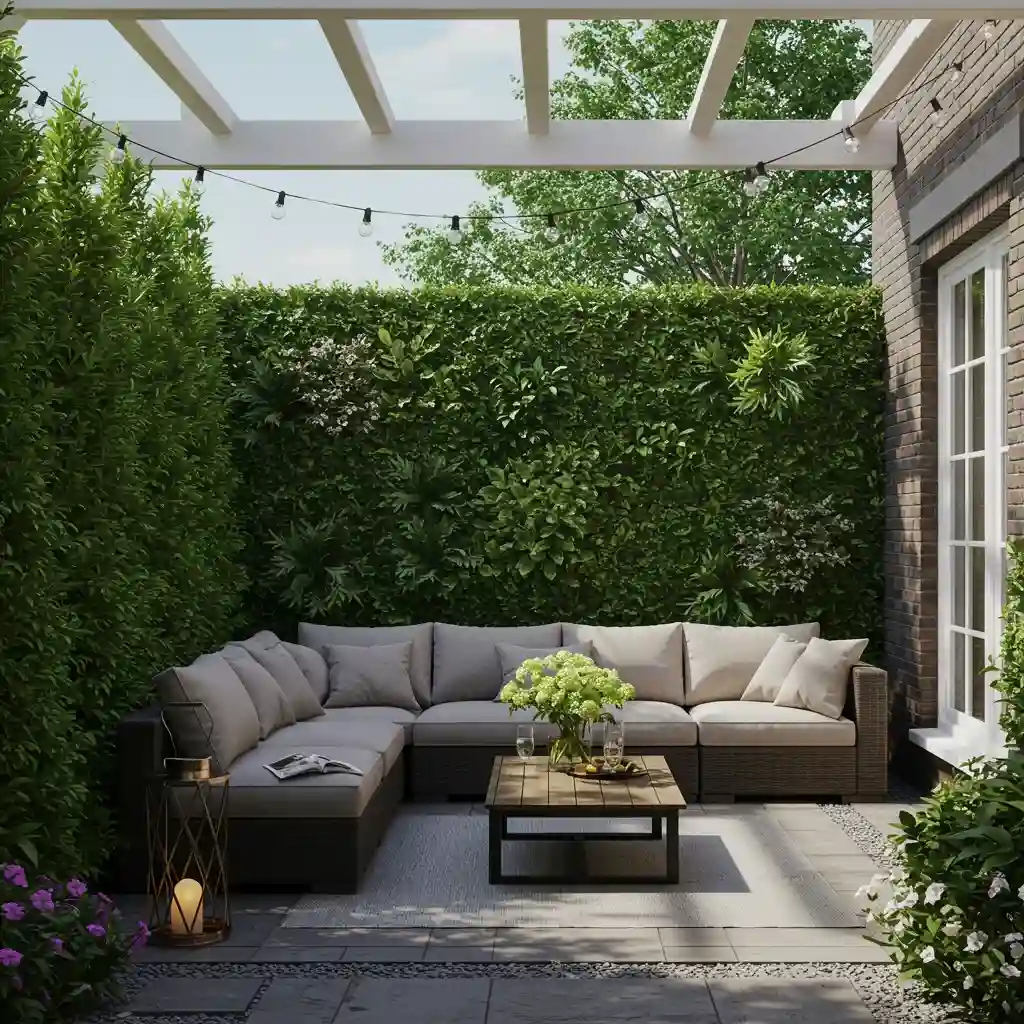
11. Use Symmetrical Planters to Flank the Door
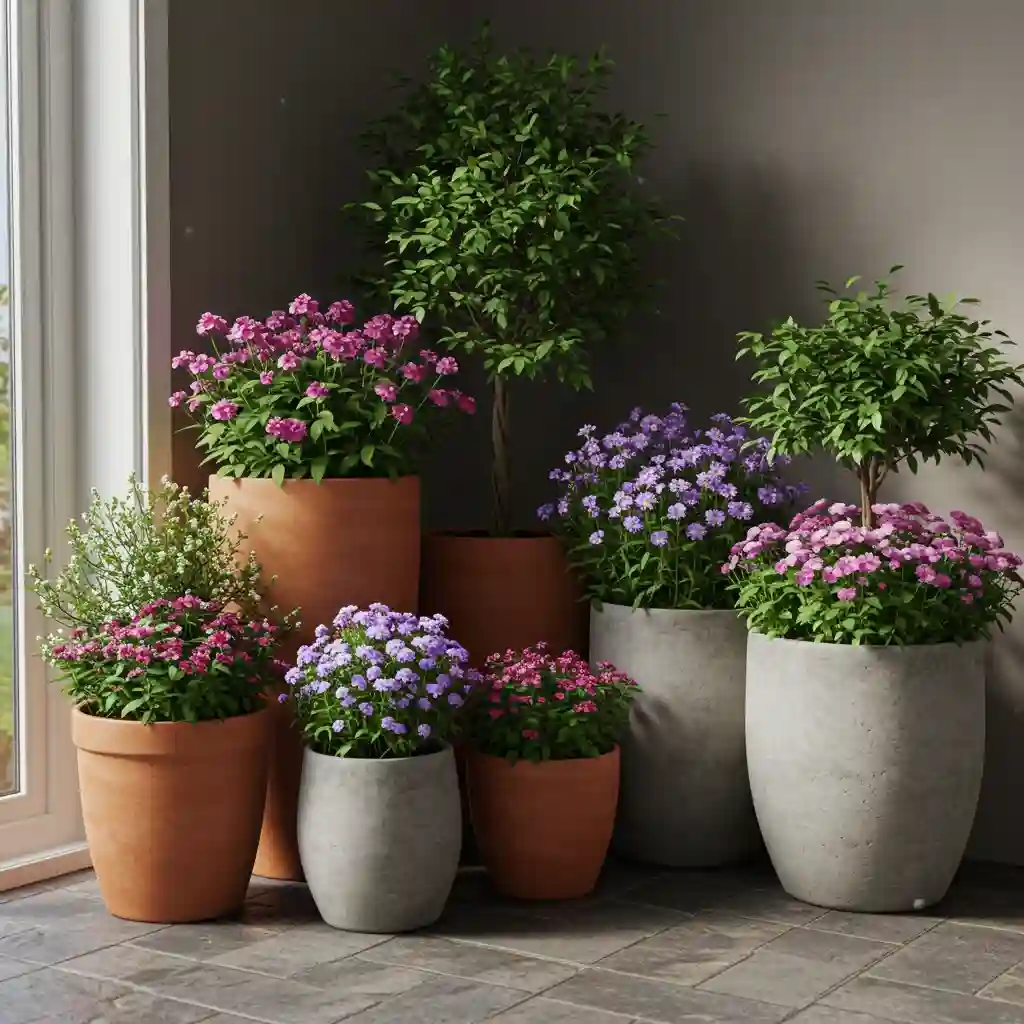
One of the most classic, simple, and foolproof ways to create a welcoming and elegant front entrance is to use a symmetrical pair of large, beautiful planters. Placing two identical containers on either side of your front door creates a powerful sense of balance, order, and formality. This simple act of symmetry instantly elevates your entryway and makes it feel more grand and intentional.
This is a design trick I use all the time for instant curb appeal. The key is to choose planters that are generously sized and in a style that complements the architecture of your house. For a traditional look, a classic, square, paneled planter or a traditional urn is a great choice. The plants inside should also be identical to maintain the symmetry.
- Symmetry is Key: Use two identical planters and identical plantings.
- Scale: Choose planters that are large and substantial enough to feel important next to your front door.
- Planting: A classic, formal planting is a single, perfectly trimmed, round boxwood topiary in each pot. For more color, a “Thriller, Filler, Spiller” arrangement works beautifully.
For an enhancement, change out the “filler” and “spiller” plants in your planters seasonally. You can have pansies in the spring, petunias in the summer, and ornamental kale and cabbages in the fall. This will keep your front entrance looking fresh and beautiful all year long.
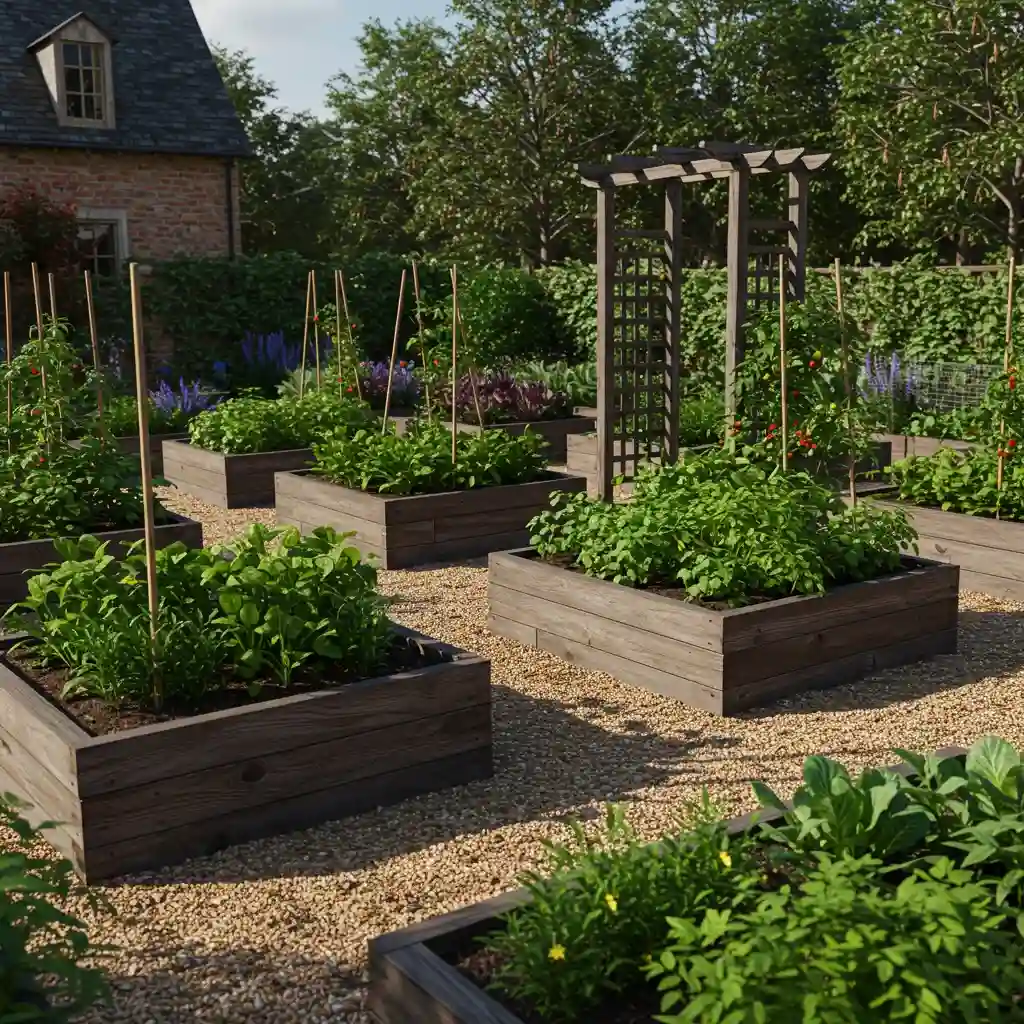
12. Soften the Walkway with Border Plants
The hard, straight edge of a concrete or paver walkway can often feel a bit harsh. A simple and beautiful way to soften this edge is to plant a low, billowy, and informal border of plants along one or both sides. These plants will spill over the hard edge of the path, blurring the line between the hardscape and the garden and creating a much softer, more romantic, and more inviting journey to your front door.
This is a key technique for creating the lush, overflowing look of a cottage garden. I love to use plants that are soft, textural, and often fragrant. The key is to choose low-growing plants that won’t completely take over the path.
- Great Border Plants: Catmint (Nepeta), Lady’s Mantle (Alchemilla mollis), Lavender, Sweet Alyssum, and low-growing sedums.
- Effect: Softens hard edges and makes the walkway feel more integrated into the garden.
- Placement: Plant a continuous, informal drift of the same plant all along the edge of your path.
For a beautiful enhancement, choose a border plant that has a contrasting color or texture to your path material. For example, the soft, silvery-gray foliage of Lamb’s Ear looks stunning against the warm, rough texture of a red brick path.
13. Add a Charming Bench
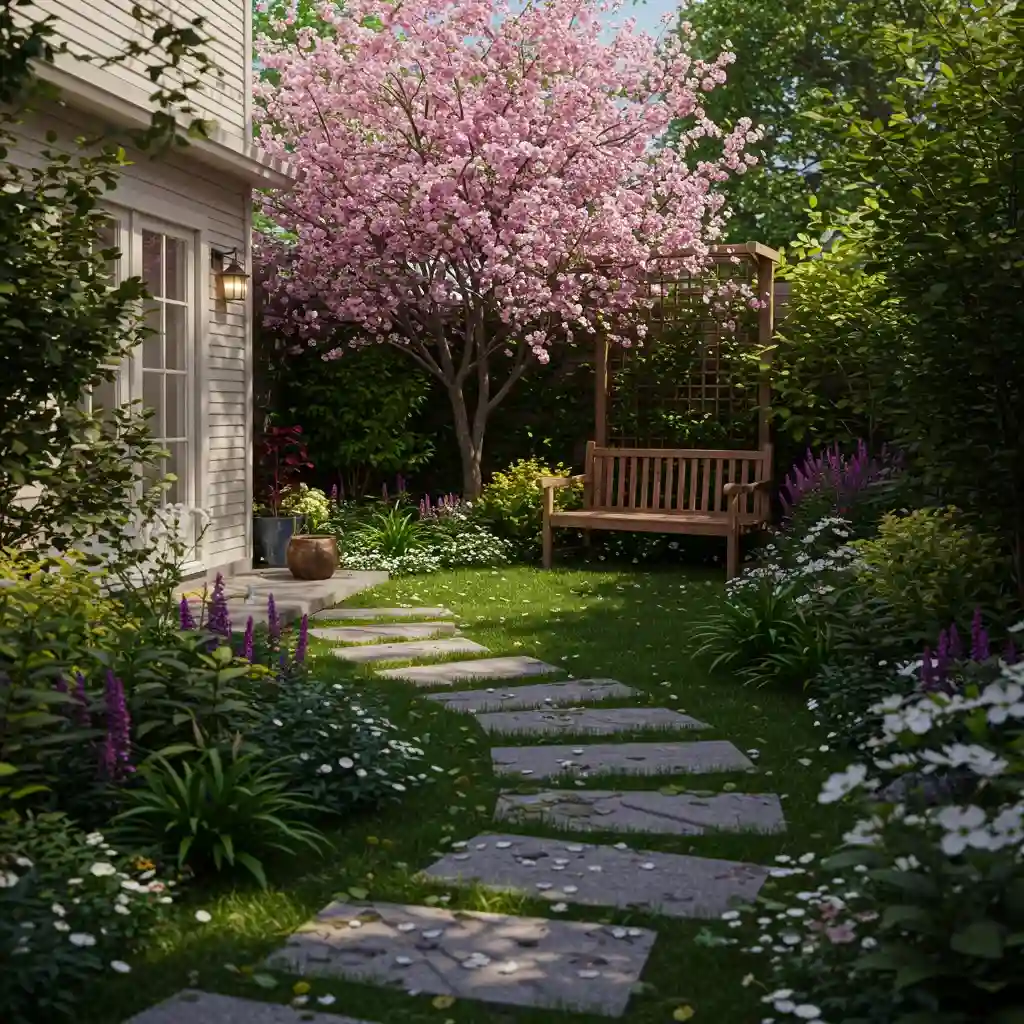
A front yard garden is not just for show; it should also be a space to be enjoyed. Adding a simple, charming bench to your front yard provides a welcoming spot to sit and rest, to watch your children play, or to chat with a neighbor who is walking by. A bench is a clear and powerful signal of hospitality; it says, “This is a friendly place, and you are welcome to sit a while.”
You don’t need a large space for a bench. You can tuck a small, simple bench into a garden bed, place it under a shady tree, or make it a feature on your front porch. I love the look of a classic, weathered wooden bench that looks as if it has been there for years.
- Placement: Under a tree, in a garden bed, or on the front porch.
- Style: A classic, English-style garden bench, a simple wooden bench, or even a rustic bench made from a log.
- Material: Choose a durable, weather-resistant material like teak, cedar, or cast iron.
For an enhancement that makes your bench even more inviting, place a small, decorative, outdoor-friendly pillow on one end. It adds a touch of color, pattern, and comfort.
14. Upgrade Your Mailbox with a Surrounding Garden
The mailbox is a necessary, functional element of your front yard, but it is often completely overlooked as a design opportunity. Instead of a simple post stuck in the ground, you can turn your mailbox into a beautiful, charming, miniature garden that adds a huge amount of curb appeal. Creating a small, well-planted garden bed around the base of your mailbox is a fantastic weekend project.
I always tell my clients that this is a great, small-scale way to make a big first impression right at the street. The key is to choose tough, hardy, and relatively low-growing plants that can handle the conditions near a road and won’t obstruct the mail carrier’s access.
- Create a Bed: Dig out a small garden bed around the base of your mailbox post and add good quality soil.
- Plant Tough Plants: Use a mix of hardy perennials, a small evergreen shrub for winter interest, and maybe a tough, trailing annual for a pop of color.
- Add a Climber: Plant a simple, small-scale, flowering vine, like a clematis, at the base of the post and train it to climb up.
For a charming enhancement, choose a mailbox that has a bit of character itself. Look for a vintage-style mailbox or one with a simple, classic design that complements the style of your home.
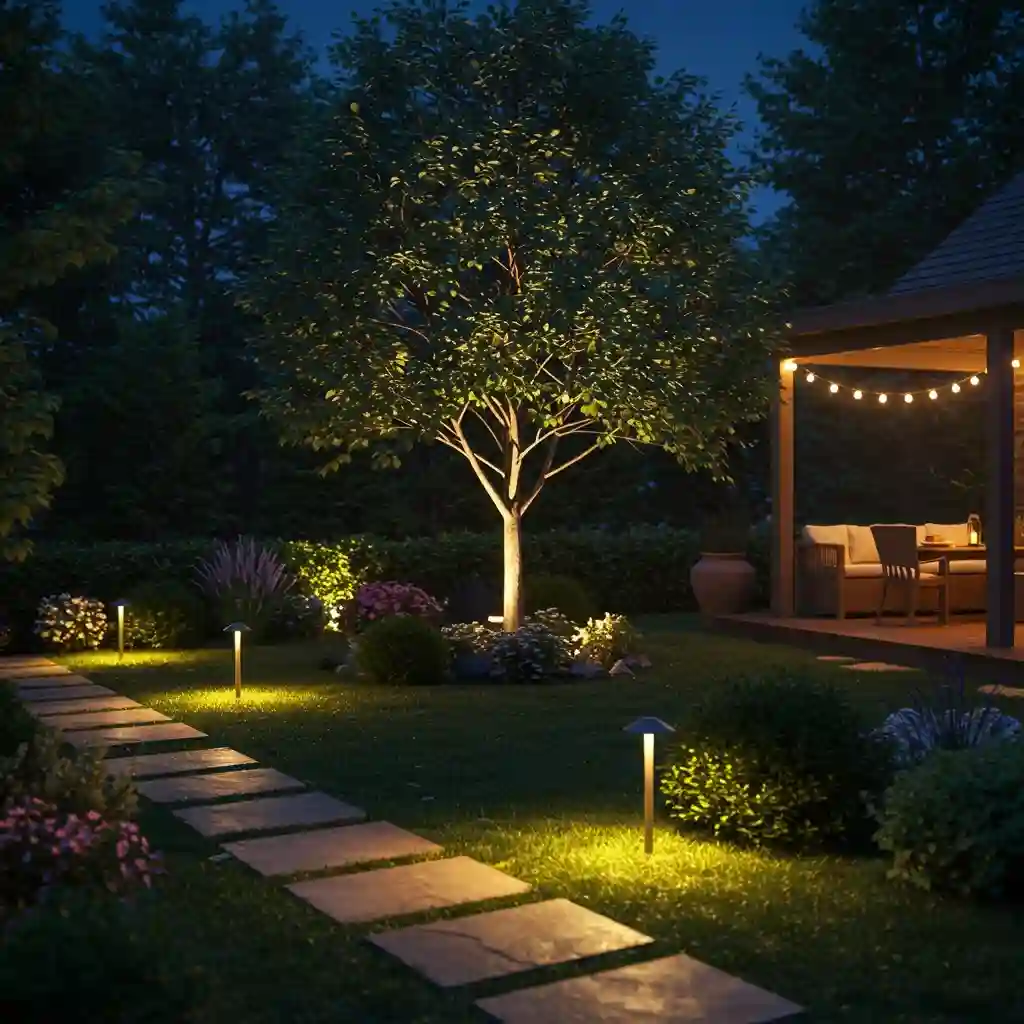
15. Use Landscape Lighting to Create a Welcoming Glow
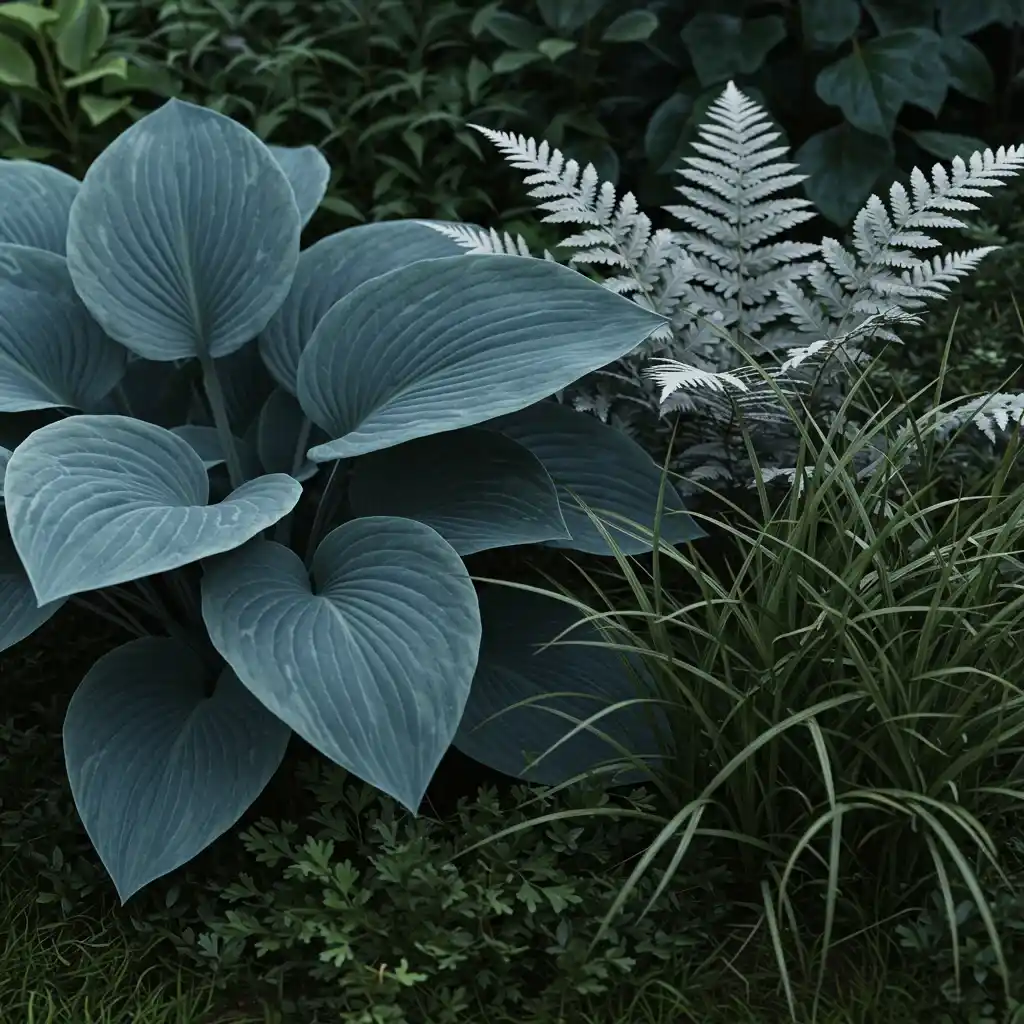
A well-lit front yard is not only safer and more secure, but it is also incredibly warm and welcoming in the evening. A simple, low-voltage or solar-powered landscape lighting scheme can completely transform the look of your home after dark, highlighting its best features and creating a beautiful, soft ambiance.
You don’t need to light up your entire yard like a stadium. The key is to use a few, subtle, strategically placed lights. This is a project that is surprisingly easy for a DIYer to install.
- Path Lighting: Use a series of low, downward-facing lights to illuminate your main walkway from the driveway or sidewalk to your front door.
- Uplighting: Use one or two spotlights aimed up at the facade of your house or at a beautiful, feature tree to create a dramatic effect.
- Welcoming Light: Ensure you have a beautiful, welcoming light fixture on your front porch that casts a warm, gentle glow.
For an enhancement, put your landscape lights on an automatic timer or a light sensor. This way, your home will automatically be bathed in a beautiful, welcoming glow every single evening without you having to think about it.
Conclusion
Creating a charming front yard garden for your simple house is one of the most rewarding things you can do to improve your home’s beauty and curb appeal. As we’ve explored through these 15 ideas, the key to a charming design lies in embracing a slightly informal, natural, and welcoming aesthetic. By using graceful, curving lines, a rich tapestry of classic plants, and timeless, natural materials, you can create a front yard that is a true, personal expression of your style. It’s about crafting a garden that feels like a warm welcome every time you come home.
I encourage you to look at your front yard as a place to have fun and be creative. You don’t need a huge budget or a grand home to have a stunning garden. Start with one or two projects that you love, whether it’s planting a couple of beautiful window boxes or creating a new, curved garden bed. A charming garden is one that is loved and cared for, and by adding these personal touches, you can create a beautiful first impression that will bring you joy for many years. For more inspiration, you might enjoy our guide to classic garden flowers. [Link to related article on the best flowers for a traditional garden].
Frequently Asked Questions (FAQs)
How do I make my front garden look good on a budget?
Focus on a few, high-impact elements. A clean, crisp edge on your garden beds and a fresh layer of mulch are very low-cost and make a huge difference. Grow your plants from seed or get divisions from friends to save money. And look for charming, vintage items like planters or benches at flea markets.
What should I plant in my front garden bed for year-round interest?
The key is a mix of plants. Start with a foundation of hardy, evergreen shrubs for winter structure. Add a good selection of long-blooming, reliable perennials for summer color. And incorporate some spring-flowering bulbs and a fall-blooming perennial (like asters or sedums) to ensure you have something beautiful happening in every season.
How do you landscape a simple, flat front yard?
Add vertical elements to create interest. An arbor, a small ornamental tree, or a trellis with a climbing vine can all add much-needed height. A gently curving pathway or a curved garden bed can also break up the boxiness and make a flat yard feel more dynamic.


