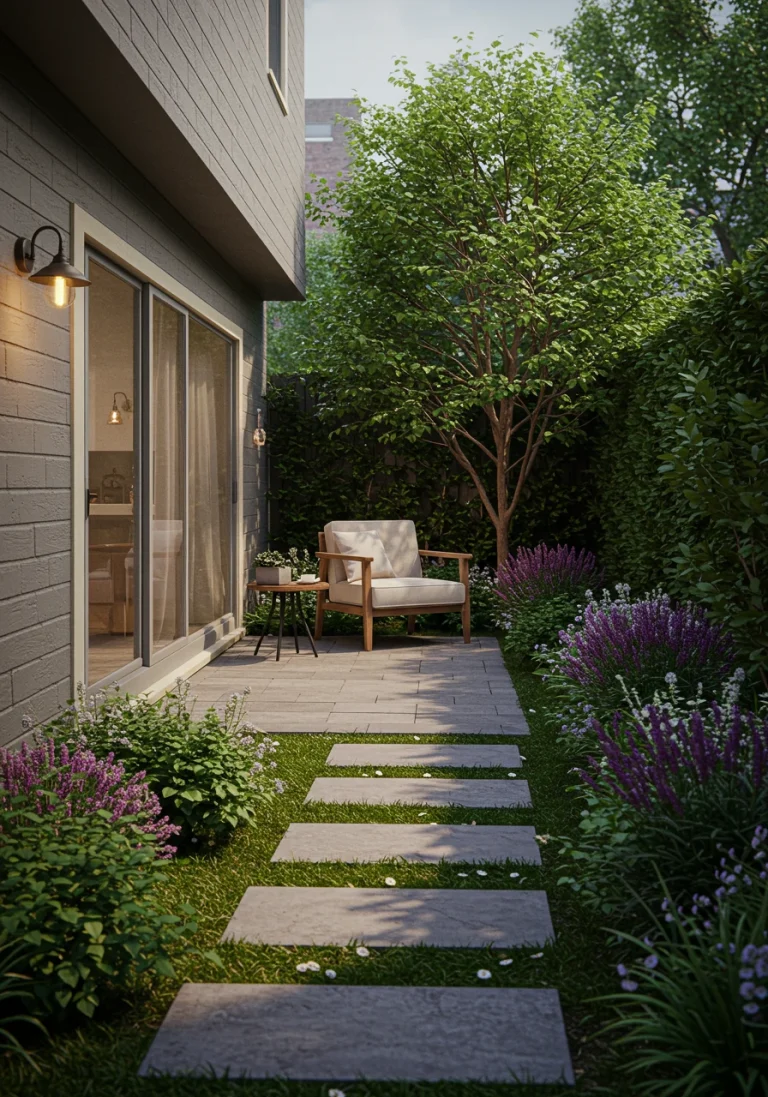
Are you looking for the best backyard landscaping ideas to transform your outdoor space into a personal oasis? Your backyard is more than just the land behind your house; it’s a canvas brimming with potential. It can be a tranquil sanctuary for quiet relaxation, a vibrant hub for entertaining friends and family, a productive kitchen garden, or a fun-filled play zone.
A well-designed landscape can seamlessly extend your living area, improve your quality of life, and significantly increase the value of your home. The key is to create a space that is not only beautiful but also perfectly tailored to your unique lifestyle and needs.
This guide will provide you with 15 of the best, most essential ideas from foundational patios and pergolas to ambient lighting and cozy fire pits that will help you unlock your backyard’s potential and create the stunning, livable landscape you’ve always wanted.
1. Create an Outdoor Living Room
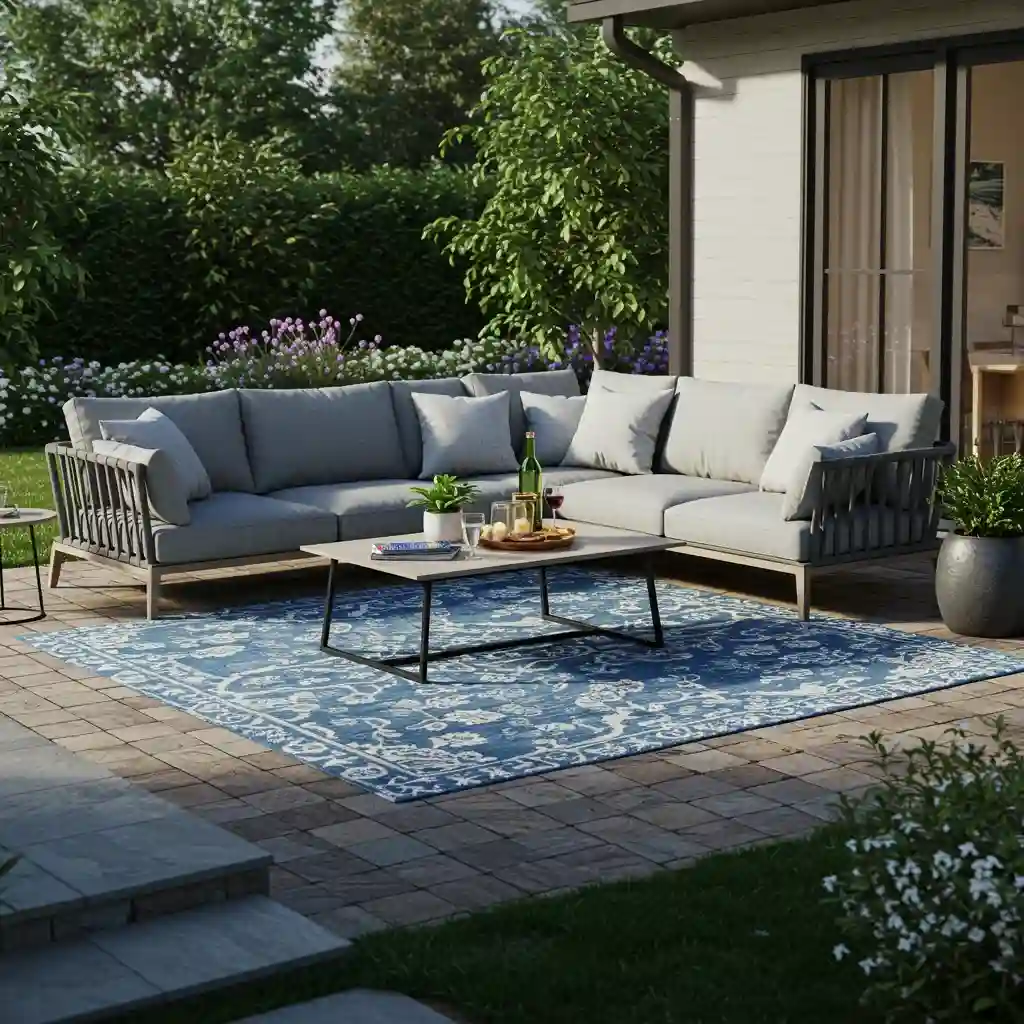
The cornerstone of modern backyard design is the concept of the “outdoor room.” The most important of these is the outdoor living room a comfortable, dedicated seating area designed for lounging, conversation, and relaxation. This is achieved by creating a solid, level foundation with a patio or a deck and arranging comfortable, weather-resistant furniture just as you would indoors. This single element transforms your backyard from a space you look at to a space you live in.
I always start the design process by asking clients how they want to feel in their space. Creating a comfortable outdoor living room is the key to achieving that relaxed, “resort-at-home” vibe. Anchor the space with a large outdoor area rug to define the zone and add softness underfoot.
- Foundation: A paver patio, a flagstone terrace, or a wooden or composite deck.
- Furniture: A comfortable, deep-seated outdoor sofa, a sectional, or a set of armchairs.
- Accessories: An outdoor coffee table, side tables, and an outdoor area rug.
For an enhancement, choose an outdoor coffee table that is also a fire pit. This combines two fantastic features into one, providing a focal point, warmth, and ambiance for your outdoor living room.
2. Design an Al Fresco Dining Area
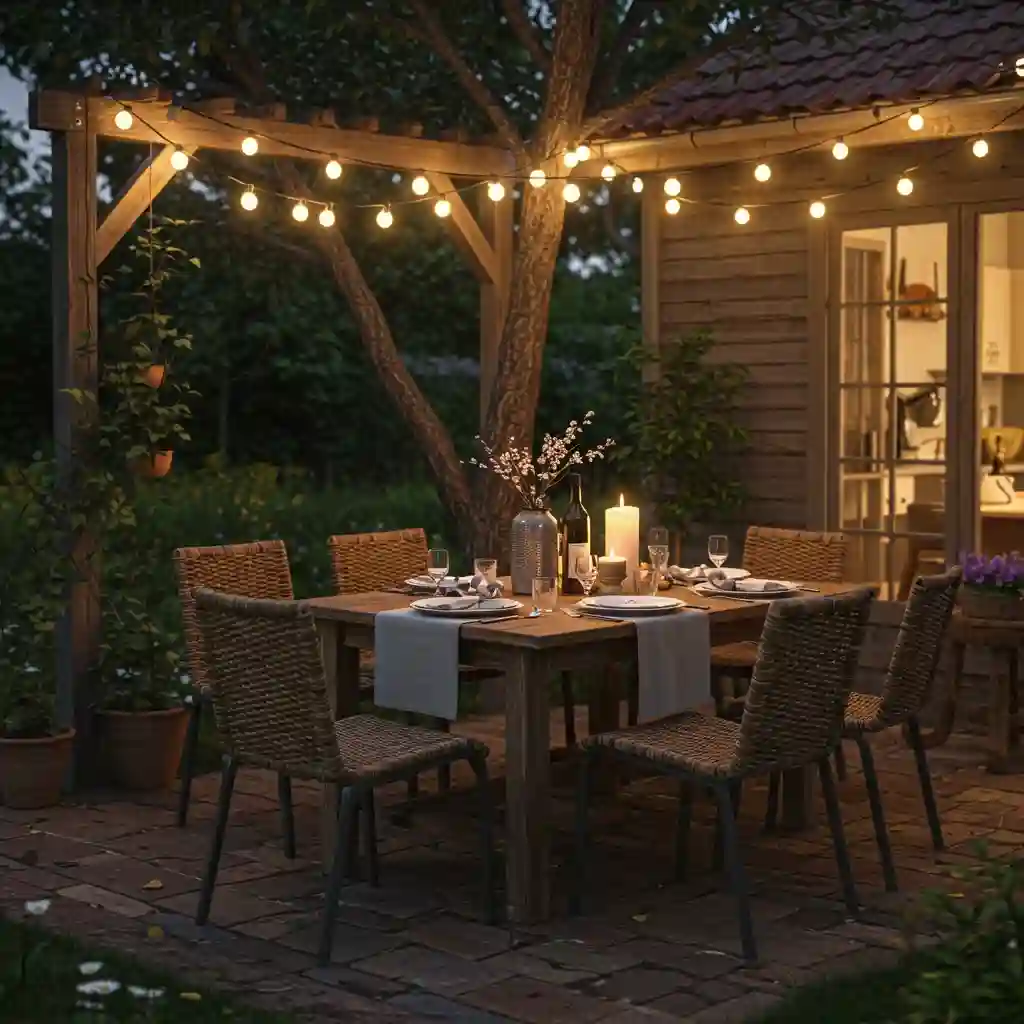
There are few simple pleasures greater than sharing a meal outdoors with family and friends. Creating a dedicated al fresco dining area is a classic backyard feature that will be used time and time again. This can be as simple as a small bistro set for two on a tiny patio, or as grand as a long, rustic harvest table under a pergola that can seat a crowd. The key is to create a space that is comfortable, functional, and has a touch of magic.
When planning a dining area, I always consider the lighting. Hanging a set of beautiful, outdoor-rated string lights or a stylish outdoor chandelier over the dining table can instantly create a festive, bistro-like atmosphere in the evening.
- Furniture: A durable, weather-resistant dining table and comfortable chairs.
- Location: Place it in a spot that is convenient to the kitchen and has a pleasant view.
- Ambiance: Good lighting is essential for evening meals.
For a luxurious enhancement, build a simple, modern pizza oven or an outdoor fireplace near your dining area. This not only provides a wonderful cooking feature but also a source of warmth and a beautiful, glowing focal point for your dinner parties.
3. Gather Around a Cozy Fire Pit
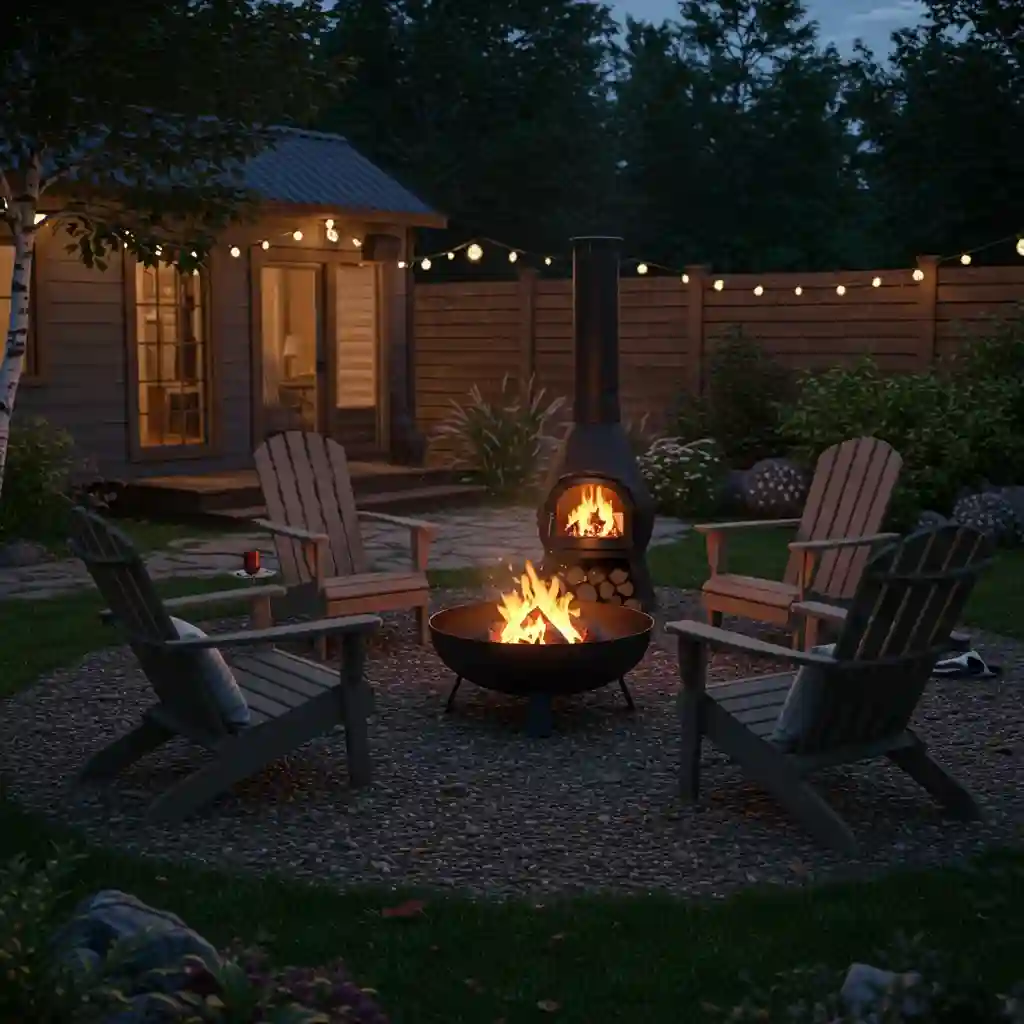
A fire pit is one of the most popular and sought-after backyard features, and for good reason. It provides warmth on cool evenings, a mesmerizing focal point, and a natural, magnetic gathering spot for conversation and connection. A fire pit can extend the use of your backyard well into the spring and fall, and it’s the perfect centerpiece for a cozy, outdoor lounge area.
You don’t need a massive, custom-built stone fireplace. There are many beautiful and affordable options, from simple, metal, wood-burning fire bowls to more modern, clean-burning, propane-powered fire tables. I love how a fire feature can instantly make a backyard feel more inviting.
- Style: Choose from rustic, wood-burning pits, or modern, gas-powered fire tables.
- Seating: Arrange comfortable chairs (like Adirondack chairs) or built-in benches in a circle around the pit.
- Safety: Always ensure your fire pit is placed on a non-flammable surface (like gravel or pavers) and is a safe distance from your house and any flammable materials.
For an enhancement that is both fun and classic, create a dedicated “s’mores station” on a small table near your fire pit. Fill jars with marshmallows, graham crackers, and different types of chocolate, and have a set of long, roasting sticks ready to go for guests.
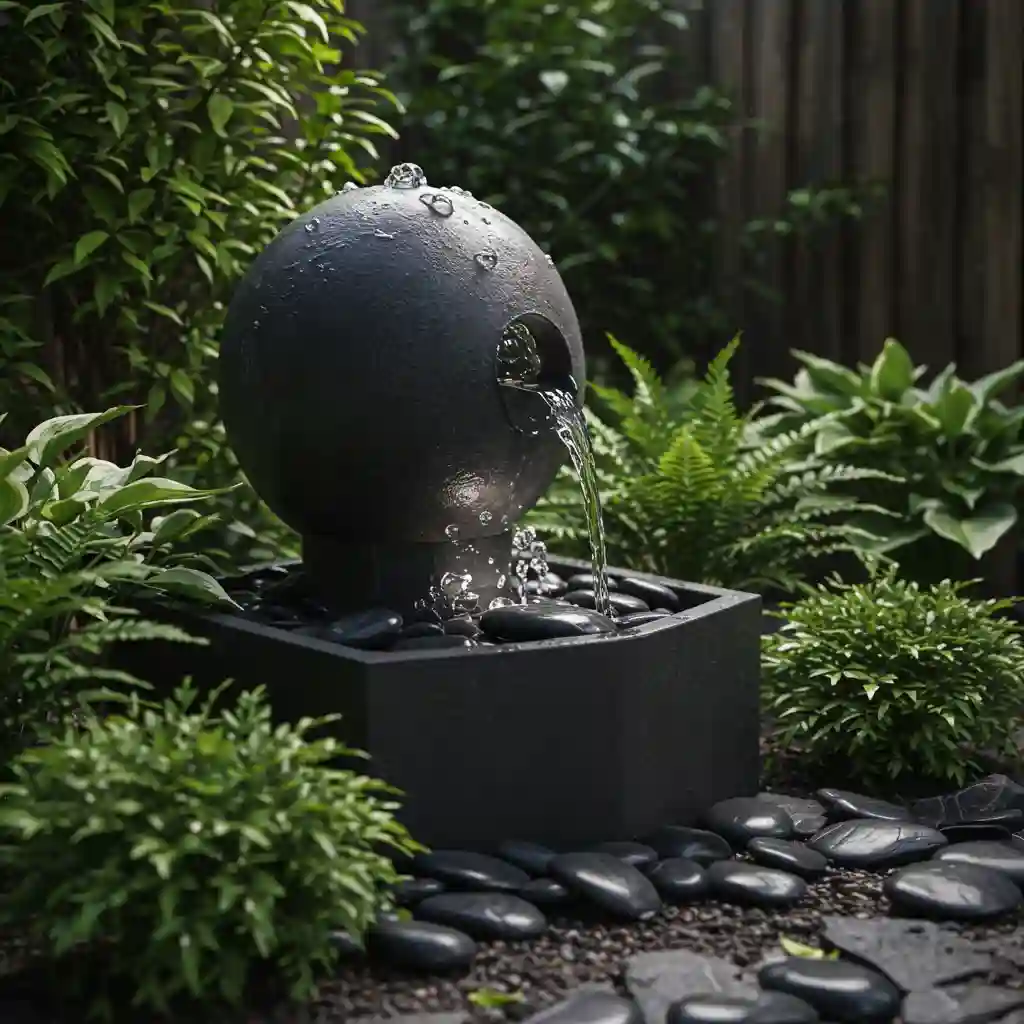
4. Incorporate a Soothing Water Feature
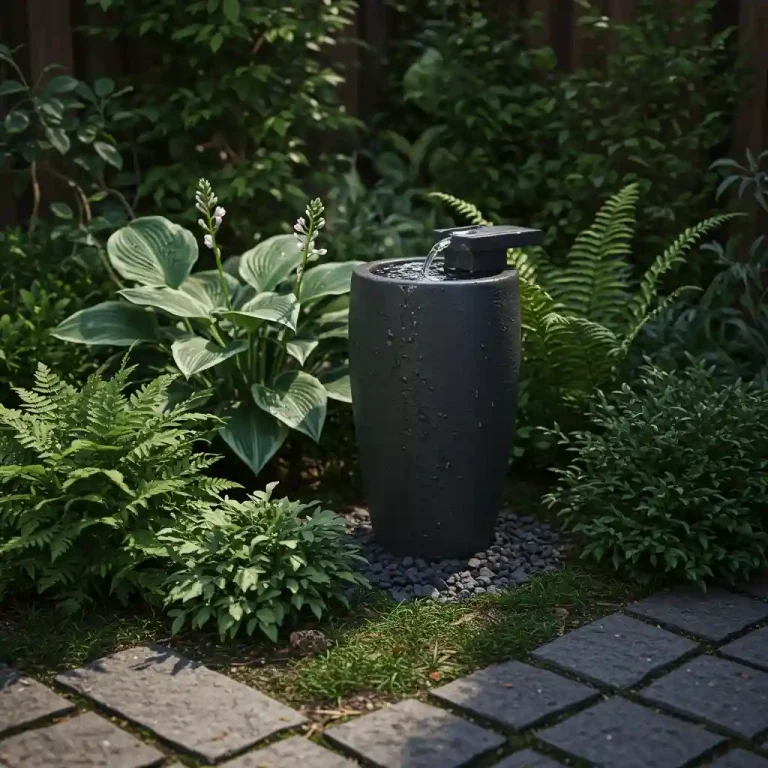
The sound of moving water is one of the most relaxing sounds in nature. Incorporating a water feature into your backyard landscape can create a tranquil, spa-like atmosphere and is also fantastic at masking unwanted noise from neighbors or traffic. This doesn’t have to be a large, high-maintenance pond. A simple, self-contained, recirculating fountain can provide all the beautiful sights and sounds with minimal upkeep.
I often use a water feature as a key focal point in a garden design. It can be tucked into a corner of a garden bed to create a sense of discovery, or it can be the central feature of a patio. The options are endless, from a classic, tiered fountain to a modern, disappearing fountain where water bubbles up from a bed of stones.
- Sound: The gentle trickle or cascade of water is incredibly soothing.
- Focal Point: A beautiful fountain can be a stunning piece of garden sculpture.
- Low-Maintenance Options: Choose a self-contained, recirculating feature to avoid complex plumbing.
For a modern and dramatic enhancement, choose a fountain with a sheer descent, which is a thin, flat sheet of water that cascades from a wall into a basin below. When lit from underneath at night, the effect is mesmerizing.
5. Build a Pergola for Shade and Structure
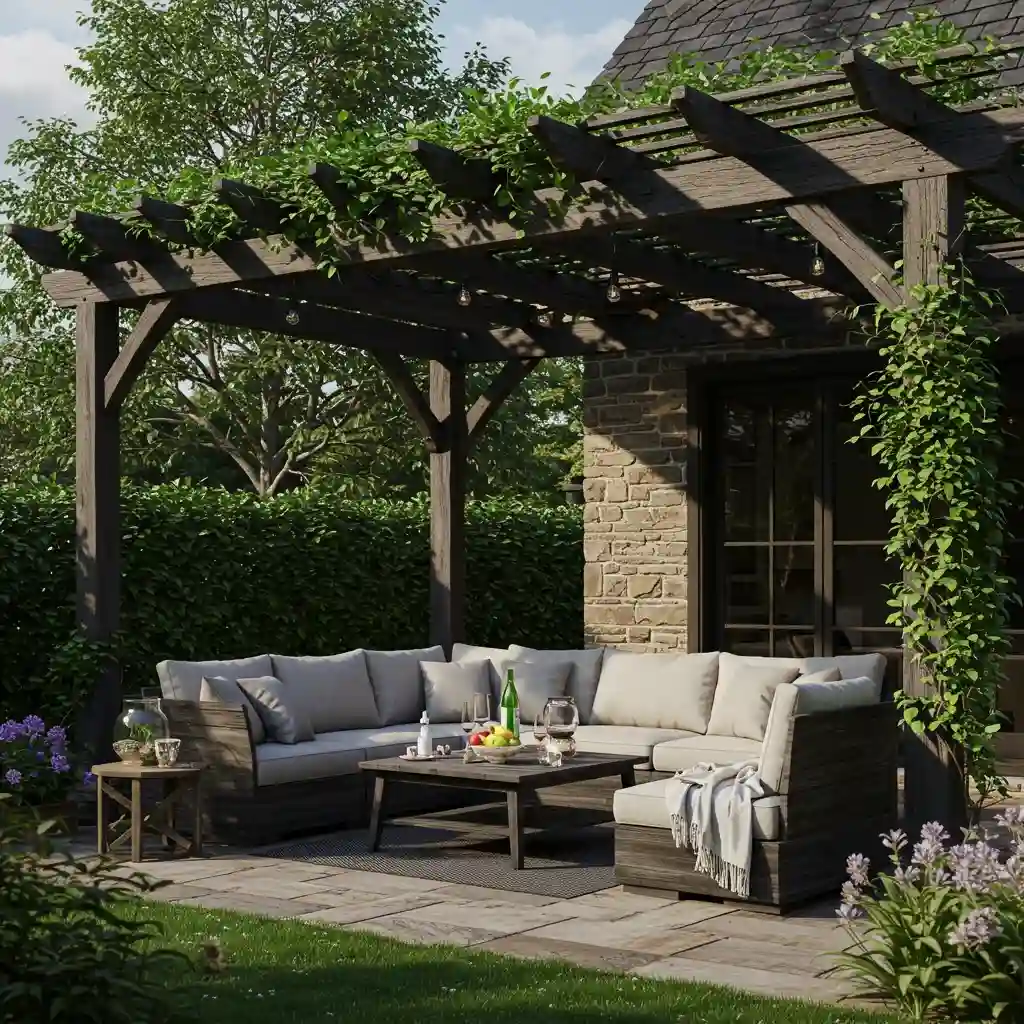
A pergola is a brilliant architectural element that can add height, structure, and a sense of definition to a backyard. This simple structure, typically consisting of posts supporting an open-rafter roof, can be used to create a beautiful, designated “outdoor room” over a patio or a deck. It provides a feeling of enclosure and intimacy without blocking the sky completely, and it offers a perfect support for beautiful, flowering vines.
A pergola is a fantastic way to add a vertical dimension to a flat backyard, and it provides dappled shade, which can make a sunny patio much more usable in the heat of the day. I love designing pergolas as the central feature of an outdoor dining or living area.
- Defines a Space: Creates a clear, room-like zone for dining or lounging.
- Provides Shade: The open rafters create a lovely, dappled shade.
- Adds Vertical Interest: A key element for adding height and architectural character to a landscape.
For a beautiful enhancement, train a fast-growing, flowering vine, like a wisteria, a climbing rose, or a trumpet vine, to grow up and over your pergola. This will create a stunning, romantic, living canopy of leaves and flowers.
6. Plant Layered Garden Beds for Season-Long Color
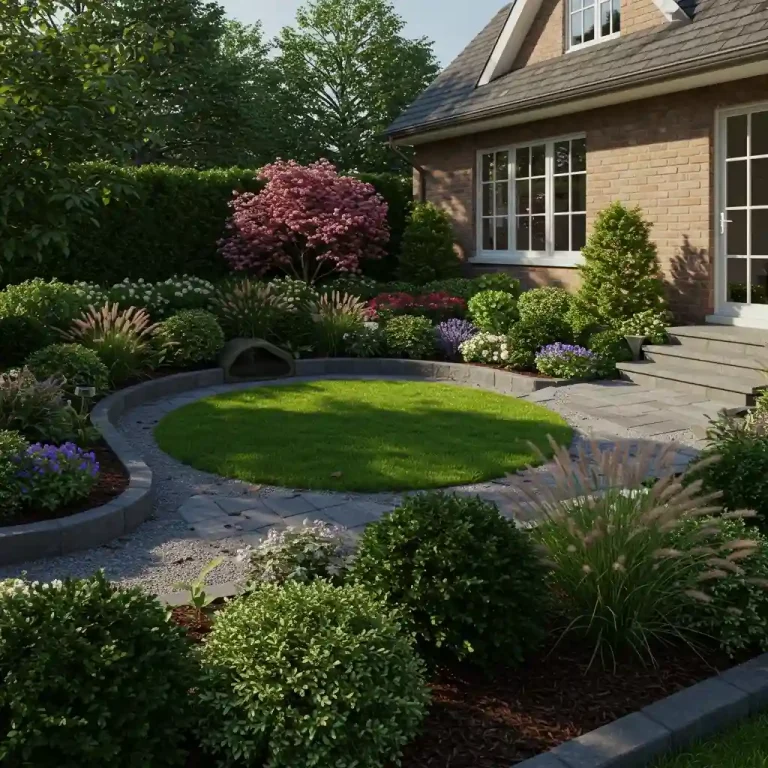
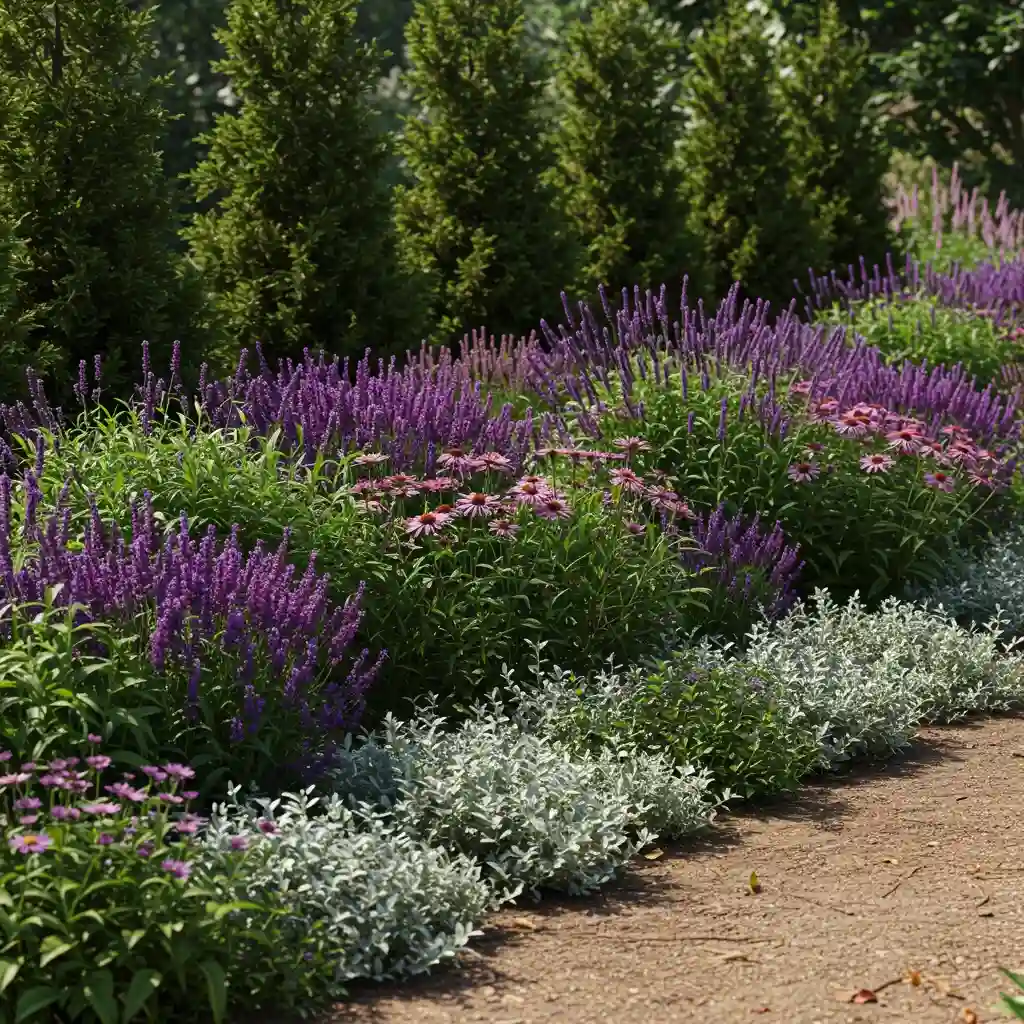
A truly stunning backyard has beautiful, lush garden beds that provide color and interest throughout the entire year. The secret to achieving this, as taught by the experts at Fine Gardening and other top publications, is to plant in layers. This means creating a composition of plants with different heights, textures, and bloom times, arranged with the tallest plants in the back and the shortest in the front.
This simple technique creates a sense of depth and a rich, full, and professional look. I always design my garden beds with a “four-season” approach.
- Back Layer (Structure): Start with a backbone of evergreen shrubs for year-round green.
- Middle Layer (Color): Add a mix of hardy, long-blooming perennials that will provide color from spring through fall.
- Front Layer (Softness): Use low-growing, mounding, or spilling plants at the very front edge to soften the border.
- Add Bulbs: Intersperse your perennials with spring- and summer-blooming bulbs for seasonal surprises.
For an enhancement that adds a touch of modern, naturalistic style, incorporate large drifts of ornamental grasses into your layered beds. Their fine texture and graceful movement provide a beautiful contrast to the bold leaves and flowers of traditional perennials.
7. Create a Winding Pathway
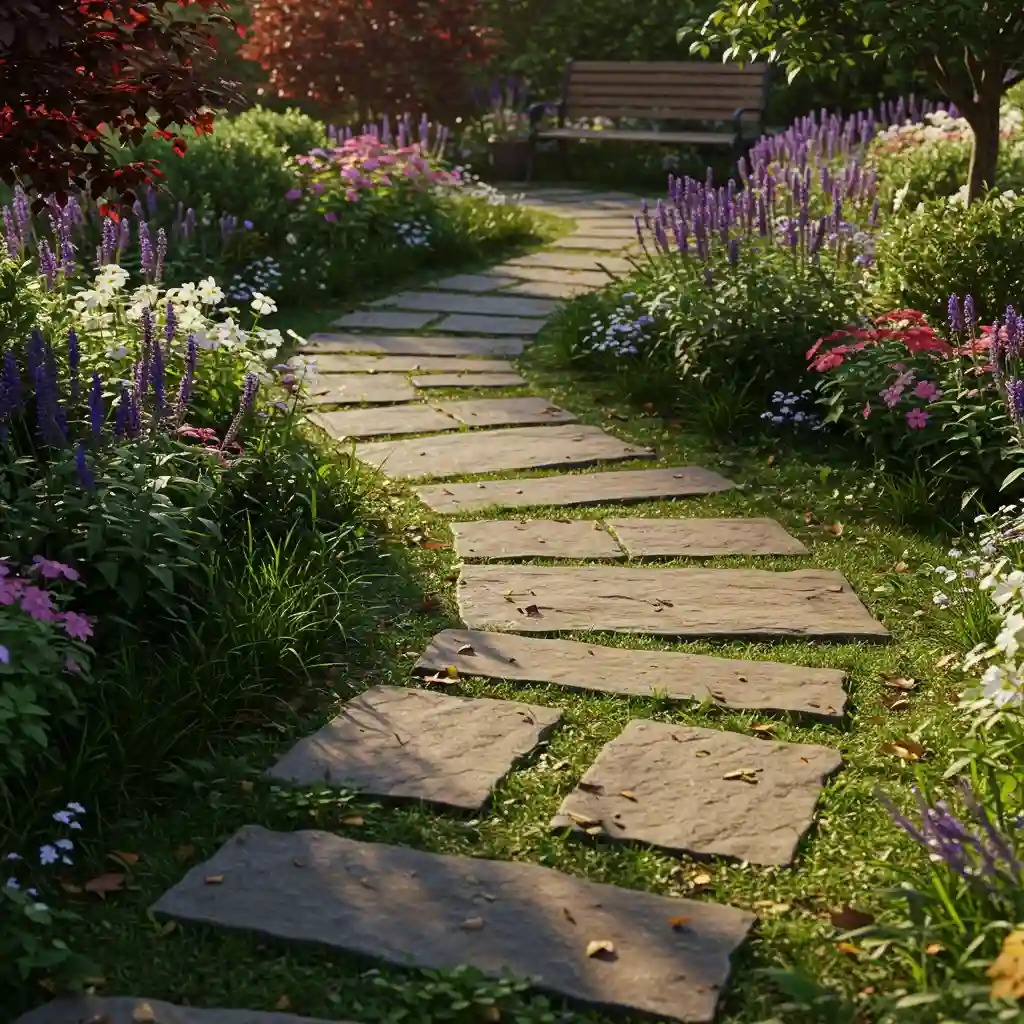
A pathway in a backyard is more than just a way to get from point A to point B; it’s an opportunity to create a sense of journey and discovery. Instead of a straight, utilitarian sidewalk, a gently winding, meandering path can make your backyard feel larger, more natural, and more magical. A curved path slows you down, encourages exploration, and creates a sense of mystery, as you can’t see the entire garden at once.
I love to design paths that lead to a “destination,” like a secluded bench or a small water feature in a back corner. The path itself should be made from materials that complement the style of your garden.
- Materials: Irregular flagstone for a naturalistic look, weathered brick for a classic, cottage feel, or fine pea gravel for a relaxed, informal crunch.
- Design: Create long, graceful curves, not tight, jerky turns.
- Function: Use the path to connect different “rooms” or features in your backyard.
For a charming enhancement, plant a low-growing, fragrant groundcover, like creeping thyme, in the cracks between your stepping stones. When you walk on the path, it will release a beautiful, gentle scent.
8. Go Vertical with a Living Wall or Trellises
When you want to add a huge amount of lush greenery without sacrificing precious floor space in your backyard, the best solution is to go vertical. A living wall, a simple trellis with a climbing vine, or a series of wall-mounted planters can turn a boring, blank fence or wall into a stunning, living, textural feature. This is a key strategy for urban gardens and small courtyards.
A vertical garden can also be a fantastic privacy screen. I often suggest installing a simple, modern, wire grid trellis and planting a fast-growing, elegant climbing vine. In a season or two, you can have a beautiful, semi-transparent wall of green that provides privacy without feeling like a heavy, solid barrier.
- Living Walls: Use modular pocket planter systems for an instant, high-impact wall of green.
- Trellises: Perfect for growing beautiful, flowering climbing vines like clematis or jasmine.
- Wall Planters: Create a custom, artistic display with a collection of individual wall-mounted pots.
For an enhancement that is both beautiful and functional, create a vertical herb garden on a sunny wall near your outdoor kitchen or dining area. This will provide you with fresh herbs for cooking and cocktails.

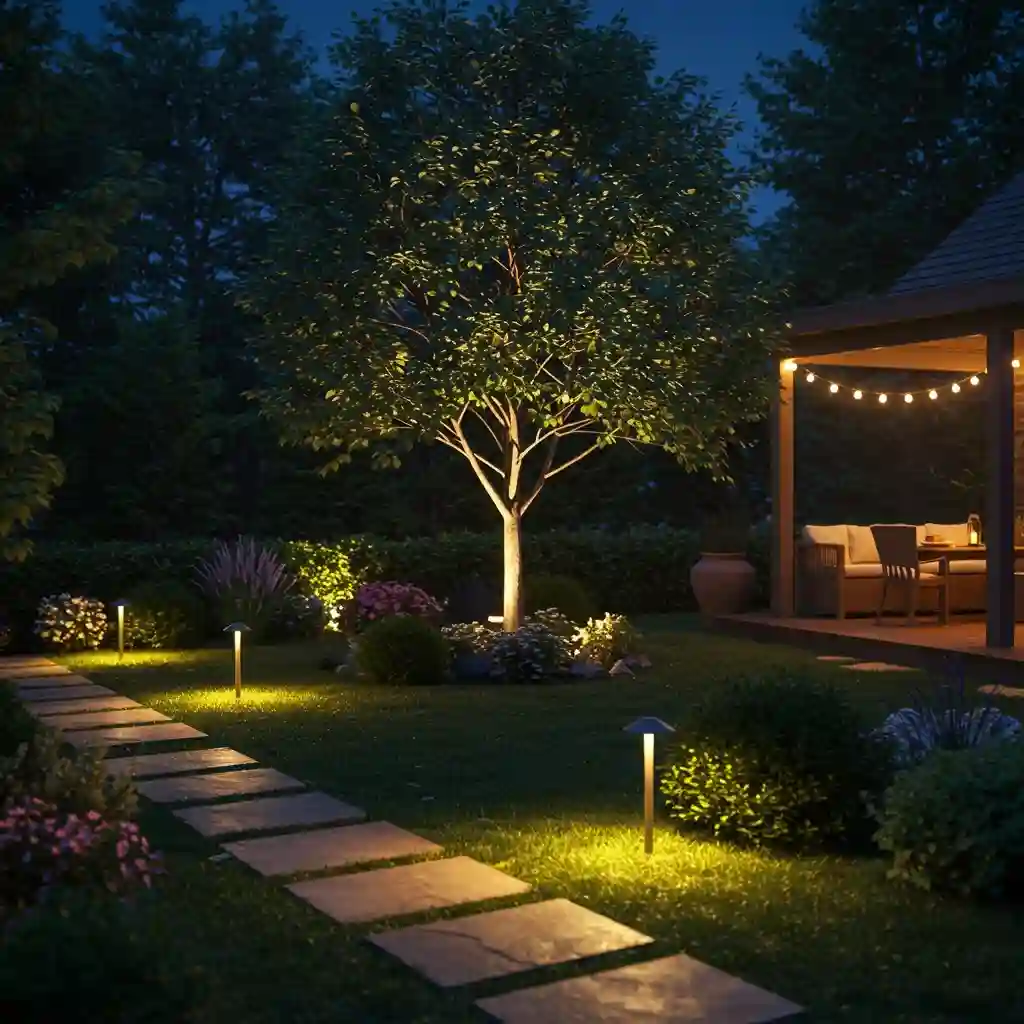
9. Light it Up: A Strategic Landscape Lighting Plan
A well-designed landscape lighting plan can completely transform your backyard at night, extending its usability and creating a magical, resort-like ambiance. Good lighting is not about flooding the space with bright, harsh light; it’s about a subtle, layered approach that creates drama, highlights key features, and ensures safety.
This is a detail that takes a good backyard and makes it truly great. I always create a plan with a few different types of lighting.
- Uplighting: Use spotlights at the base of trees or sculptural plants to highlight their form.
- Downlighting (“Moonlighting”): Place a light high up in a tree and aim it downwards to create a beautiful, natural, moonlit effect on the patio below.
- Path Lighting: Use low, downward-facing lights to safely illuminate your walkways and steps.
- String Lights: Hang warm, globe-style string lights over your dining or seating area for a festive, bistro-like glow.
For a high-end enhancement, use a smart, low-voltage lighting system that you can control with your phone. This will allow you to dim different zones and change the lighting scheme to create different moods for different occasions.
10. Add Privacy with “Living Fences” or Screens
Creating a sense of privacy and seclusion is key to making your backyard feel like a true oasis. While a solid fence is one option, a “living fence” or a decorative screen can often be a more beautiful and stylish solution. A living fence is a dense hedge of tall, narrow plants that creates a lush, green, natural privacy screen.
I often recommend a row of tall, slender, evergreen shrubs like Arborvitae or Italian Cypress for a formal, year-round screen. For a more modern look, a series of decorative privacy screens made of laser-cut metal or horizontal wood slats can be used to block specific sightlines while also acting as a beautiful, architectural feature.
- Living Fence: A hedge of tall, narrow plants like Arborvitae, Cypress, or a non-invasive clumping bamboo.
- Decorative Screens: Modern screens made of wood, metal, or composite materials.
- Strategic Placement: You often only need to screen a few, key areas to create a sense of privacy.
For an enhancement, create a layered privacy screen. Plant a row of tall, narrow evergreen trees, and then place a slightly shorter, decorative, laser-cut metal screen in front of them. The combination of the solid green backdrop and the patterned screen is incredibly rich and sophisticated.

11. Design a Productive Kitchen Garden
A kitchen garden, or “potager,” is a classic garden feature that is both incredibly beautiful and highly productive. Instead of hiding your vegetable patch in a forgotten corner, a well-designed kitchen garden can be a stunning focal point. The traditional potager style mixes vegetables, herbs, and edible flowers together in beautiful, often geometric, garden beds.
Raised beds are a fantastic, neat, and easy way to create a kitchen garden. I love to design them in a symmetrical pattern with gravel or mulch paths in between, which makes tending and harvesting easy. The sight of a beautiful, organized garden overflowing with fresh, homegrown produce is a true delight.
- Raised Beds: Make gardening easier and create a neat, organized look.
- Mix it Up: Plant beautiful, leafy greens like rainbow chard next to edible flowers like nasturtiums and useful herbs like rosemary.
- Add a Structure: A simple, central arbor or a tuteur for climbing beans or peas can add a beautiful, vertical element.
For a classic and charming enhancement, enclose your kitchen garden with a low, decorative fence, like a traditional picket fence or a simple, rustic wattle fence. This will define the space and help to keep out any hungry critters.

12. Use Container Gardens for Flexibility and Color
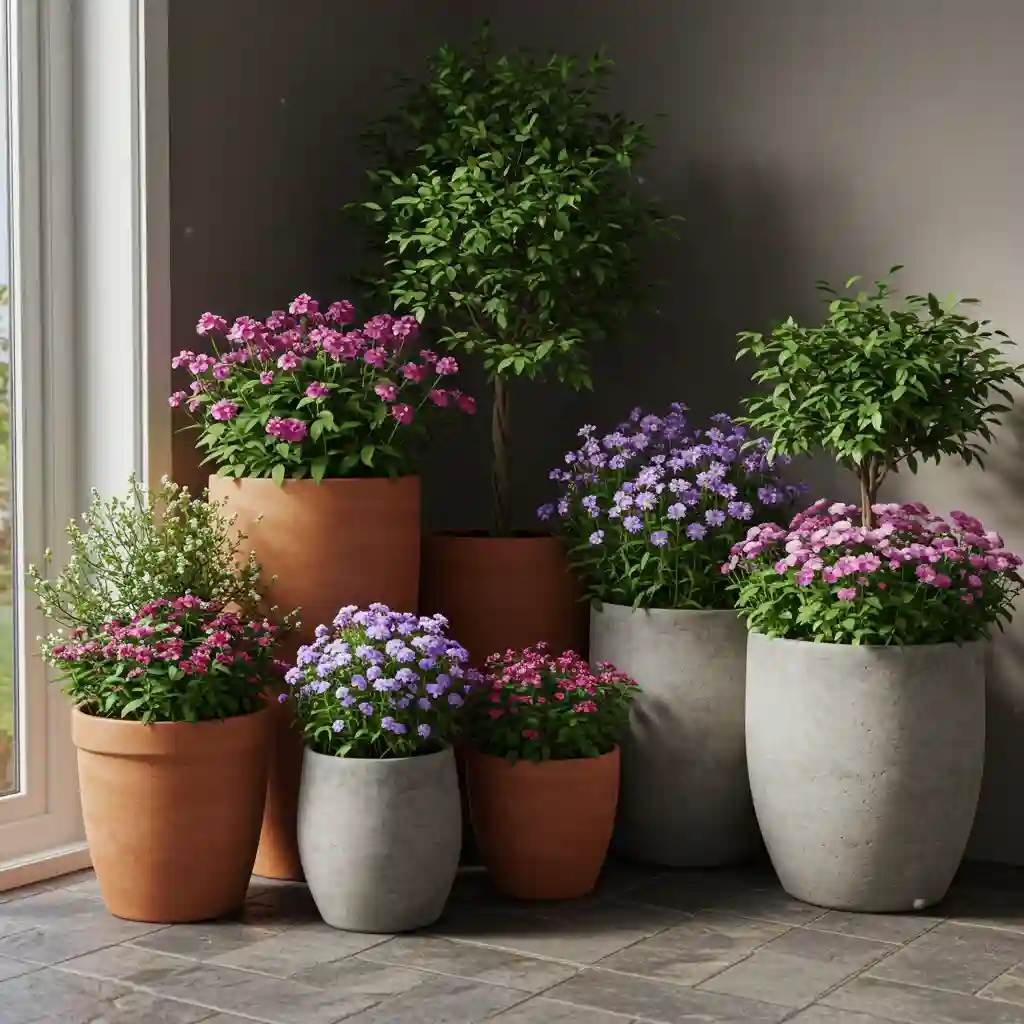
Container gardening is a wonderfully flexible way to add color, life, and personality to any backyard, but it’s especially useful for patios, decks, and small spaces. A curated collection of pots and planters can be used to create a lush, layered garden without ever having to dig in the ground. This is a perfect way to add a “garden” to a fully hardscaped yard.
The key to a successful container garden is to think like a stylist. I advise my clients to group their pots together in clusters of three or five. A collection of containers in different but complementary sizes, materials, and colors will create a much more interesting and dynamic look than a single, lonely pot.
- Group for Impact: Cluster pots together for a fuller, more impactful display.
- Vary the Size: Use a mix of large, medium, and small pots to create different levels and visual interest.
- The “Thriller, Filler, Spiller” Recipe: Use this classic planting formula to create beautiful, balanced arrangements in your pots.
For a high-impact enhancement, use a few, very large, oversized planters as the anchors for your container garden. A single, large planter with a dramatic specimen plant, like a dwarf tree or a large succulent, can be a stunning focal point.
13. Create a Destination Seating Nook
To make your backyard feel larger and more interesting to explore, create a small “destination” seating nook in a corner or at the far end of the yard. This is a simple, separate, and more intimate seating area, away from the main patio. It creates a sense of journey and purpose in your landscape, drawing your eye and your feet through the space.
Your destination doesn’t need to be grand. A simple, comfortable bench tucked under a tree, a pair of Adirondack chairs in a quiet corner, or a single, cozy hanging chair can all be a perfect, private retreat. I love to define these small spaces with a different ground material, like a small, circular “patio” of pea gravel or a couple of large flagstones.
- Create a Journey: Draw the eye through the space to a point of interest.
- Destination Ideas: A bench, a pair of chairs, a hammock, or a single, comfortable armchair.
- Define the Space: Use a different ground material or a small rug to define the destination area.
For an enhancement, make your destination a “secret” garden. Use a few, tall, strategically placed shrubs or a small, decorative screen to partially obscure the seating nook from the main view, so it feels like a wonderful, hidden discovery.

14. Incorporate a Mix of Textures
A truly beautiful and sophisticated landscape engages the senses with a rich variety of textures. This means creating a thoughtful contrast between the hard, rough, or smooth textures of your hardscaping and the soft, fine, or bold textures of your plants. A landscape that is all one texture can feel flat and boring.
This is a key principle that I use in every design. Think about creating interesting juxtapositions. Pair the rough, textural surface of a reclaimed wood deck with the smooth, cool surface of modern, concrete planters. In your garden beds, place a plant with large, bold, waxy leaves (like a hosta) next to a plant with fine, feathery, delicate foliage (like a fern).
- Hardscape Textures: Mix smooth concrete with rough gravel, or warm wood with cool stone.
- Softscape Textures: Mix bold-leafed plants with fine-leafed plants, and spiky plants with soft, mounding ones.
- The Contrast is Key: The beauty lies in the interplay between the different materials and foliage.
For an enhancement, choose an outdoor area rug with a very bold, chunky, and highly textural weave, like a large, braided jute rug. This will add a major dose of tactile interest to your main seating area.

alt text: A backyard garden bed showcasing a beautiful mix of contrasting plant foliage textures.
15. Add an Outdoor Kitchen or Grilling Station
For those who love to cook and entertain, an outdoor kitchen or a dedicated grilling station is the ultimate backyard feature. This can be as simple or as elaborate as your budget allows. It takes the simple act of grilling and elevates it into a true, outdoor culinary experience. A well-designed station can make cooking outdoors more convenient, more organized, and much more enjoyable.
A simple and budget-friendly solution is to create a small, dedicated paver patio for your grill and to flank it with a pair of simple, outdoor-rated work tables to provide counter space. For a more high-end solution, you can build a custom, L-shaped island with a built-in grill, a small outdoor fridge, and a durable countertop made of a material like granite or concrete.
- Simple Setup: A grill with a dedicated work table on either side.
- Custom Kitchen: A built-in unit with a grill, counter space, storage, and other appliances.
- Location: Place it in a spot that is convenient to your indoor kitchen and your outdoor dining area, and make sure it’s a safe distance from your house.
For a must-have enhancement, ensure your grilling station has good task lighting. A pair of gooseneck-style, outdoor-rated wall sconces mounted on the wall behind the grill will allow you to see what you’re cooking long after the sun goes down.

Conclusion
Your backyard is a personal canvas, and as we’ve explored through these 15 best backyard landscaping ideas, there are countless ways to transform it into a beautiful, functional, and deeply personal oasis. The most successful landscapes are those that are thoughtfully designed to be a true extension of the home—a collection of comfortable “outdoor rooms” for living, dining, and relaxing. By incorporating a solid foundation of patios and pathways, layering in the softness and color of well-planned garden beds, and adding functional and atmospheric features like a fire pit or outdoor lighting, you can create a backyard that you will love to spend time in.
Frequently Asked Questions (FAQs)
What is the first step in landscaping a backyard?
The first step is always to create a plan. Before you buy a single plant or paver, think about how you want to use your space. What are your main goals? Dining? Relaxing? Playing? Sketch out a simple layout of the different “zones” or “rooms” you want to create.
How can I landscape my backyard on a budget?
Focus on DIY-friendly projects. A pea gravel patio is much cheaper than a deck. Choose smaller, younger plants that will grow over time instead of large, mature ones. Look for free materials like foraged branches for decor. And remember that “sweat equity” is your biggest budget-saver.
How do you design a backyard layout?
Start by identifying your main functional zones (e.g., dining, lounging). Place the largest zones first, usually the main patio or deck, close to the house for convenience. Then, connect the zones with clear, logical pathways. Finally, use your garden beds and plantings to soften the edges and add beauty.
How can I add privacy to my backyard?
You can use a traditional fence, but a “living fence” made of a dense row of tall, narrow trees or shrubs is a more beautiful option. Strategically placed, decorative privacy screens are a great, modern solution for blocking specific sightlines without having to fence the entire yard.
What’s the difference between a patio and a deck?
A patio is a paved area on the ground, typically made of materials like concrete, pavers, or stone. A deck is a raised, wooden or composite platform structure. Patios are generally more durable and lower-maintenance, while decks can be better for uneven or sloped ground and have a warmer feel underfoot.
What is a pergola?
A pergola is an outdoor structure consisting of vertical posts or pillars that support a grid of cross-beams and rafters. It is used to create a shaded walkway or a defined seating area. It’s different from a gazebo because the roof is open, not solid.
What is the best way to add color to my backyard all year?
Create layered garden beds with a mix of plants that provide four-season interest. This includes evergreen shrubs (for winter green), spring-blooming bulbs, a variety of summer- and fall-blooming perennials, and ornamental grasses that look beautiful in the fall and winter.